
 Last updated: March 24, 2026
 6 min read
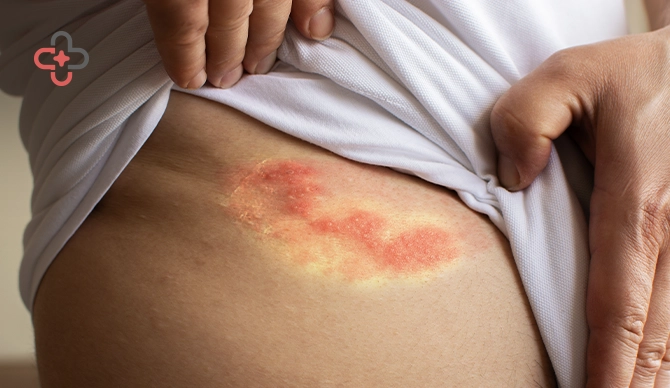
A fungal infection on skin occurs when fungi grow on or within the outer layer of the skin, especially in warm and moist areas. It often causes itching, redness, peeling, or patchy rashes. These infections are common, sometimes contagious, and usually treatable with antifungal medications or simple self-care.
What Is A Fungal Infection On Skin?
A fungal infection on skin also called a skin fungal infection happens when microscopic fungi invade the outer layer of the skin and begin to multiply.
Fungi naturally live on your skin, but problems occur when they overgrow in the right conditions, such as warmth, moisture, and friction.
Types Of Fungi Involved
- Dermatophytes: cause infections like ringworm and athlete’s foot
- Yeasts (Candida): responsible for yeast infection on skin
- Other fungi: less common, usually in people with weakened immunity
These infections are very common and usually mild, especially when treated early.
Common Types Of Fungal Skin Infections
There are several types of fungal infections that affect different parts of the body.
Ringworm (Tinea)
- Circular, red, itchy rash
- Can appear anywhere on the body
Athlete’s Foot (Tinea Pedis)
- A fungal foot rash with peeling, cracking, or burning
- Common between toes
Jock Itch (Tinea Cruris)
- Occurs in the groin area
- Causes itching and redness
Yeast Infections (Candida)
- Often found in skin folds
- Can appear in the armpit, under breasts, or groin
Scalp Infections (Tinea Capitis)
- Causes scaling, patches, and hair loss
- Known as fungal infection on scalp
Hand Infections (Tinea Manuum)
- Dry, thickened skin on palms
- Can look like fungal dry patches on skin
What Causes Fungal Infection On Skin?
Understanding what causes fungal infection on skin helps in both treatment and prevention.
Common causes include:
- Warm and humid environments
- Excessive sweating
- Tight or non-breathable clothing
- Poor hygiene or infrequent drying of skin
- Sharing towels, shoes, or personal items
- Skin-to-skin contact with infected individuals
- Weakened immune system or diabetes
Fungi thrive in moist, warm areas, which is why infections often develop in body folds and areas with friction.
Symptoms Of Fungal Skin Infections
If you’re experiencing these symptoms and need quick care, visiting a primary care provider for acute illness can help you get timely treatment and relief.
Recognizing fungal infection symptoms early can help you treat it faster.
Common symptoms include:
- Itching or irritation
- Redness or inflammation
- Peeling, cracking, or flaky skin
- Circular or ring-shaped rash
- Burning or stinging sensation
- Fungal dry patches on skin
- Discoloration in affected area
A fungal rash on skin may look different depending on the location and type of infection.
Where Do Fungal Infections Commonly Occur?
Fungi grow best in areas that are warm, damp, and prone to friction.
Common locations include:
- Feet (especially between toes)
- Groin area
- Armpits (fungal infection armpit)
- Scalp (fungal infection on scalp)
- Face (fungus on face)
- Hands (fungal infection on hands)
Are Fungal Infections Contagious?
The answer is: some are, some are not.
Fungal infections can spread through:
- Direct skin-to-skin contact
- Shared items like towels, clothing, or shoes
- Contaminated surfaces (gym floors, showers)
However, not all fungal skin infections spread easily. Good hygiene significantly reduces risk.
How To Treat Fungal Skin Infections?
For accurate diagnosis and treatment, primary care services can help determine the exact type of infection and the most effective treatment plan.
Effective fungal infection treatment depends on the severity and type of infection.
Over-the-counter Treatments
For mild infections:
- Antifungal creams
- Powders
- Sprays
These are often enough for common fungal skin rashes.
Prescription Treatments
If the infection is severe or persistent:
- Strong topical antifungal medications
- Oral antifungal drugs
Medical treatment is important for infections on the scalp, nails, or widespread areas.
Home Remedies And Self-Care Tips
While medications are key, self-care helps speed up recovery.
- Keep the affected area clean and dry
- Wear loose, breathable clothing
- Avoid scratching the rash
- Change socks and undergarments daily
- Use antifungal powders in moisture-prone areas
These steps support skin fungus treatment and reduce recurrence.
How To Prevent Fungal Skin Infections?
Long-term prevention often involves maintaining overall health and hygiene. Regular preventive care can help reduce the risk of recurring infections.
Prevention is simple but important.
- Bathe regularly and dry skin thoroughly
- Avoid sharing personal items
- Wear clean, dry clothes
- Use breathable fabrics
- Keep feet dry, especially in closed shoes
- Shower after workouts
Small habits can prevent most fungus infection cases.
When To See A Doctor
In some cases, testing may be needed to confirm the diagnosis. Access to lab services can help identify the specific fungus and guide proper treatment.
Seek medical care if:
- The infection spreads or worsens
- There is no improvement after 1–2 weeks
- Symptoms are severe or painful
- The infection keeps coming back
If you’re unsure about a rash, a quick evaluation can confirm the diagnosis and guide treatment. Manhattan Primary Care can help assess symptoms and provide the right care when OTC options aren’t enough.
Conclusion
A fungal infection on skin is a common and treatable condition. With early recognition, proper hygiene, and the right treatment, most infections resolve quickly. If symptoms persist or worsen, seeking medical care is the best way to avoid complications and get relief. For convenient, patient-focused care, Manhattan Primary Care offers evaluation and treatment options to help you recover quickly and safely.
Frequently Asked Questions
Can stress make a fungal skin infection worse?
Yes, stress can weaken your immune system, making it harder for your body to control fungal growth. While stress doesn’t directly cause a fungal infection, it can slow healing and increase the chances of recurrence.
Why does my fungal infection keep coming back?
Recurrent fungal infections are often linked to underlying factors like excessive sweating, tight clothing, incomplete treatment, or conditions such as diabetes. Not fully finishing antifungal treatment is one of the most common reasons for recurrence.
Can I use regular moisturizers on a fungal rash?
Most regular moisturizers are not recommended for fungal infections because they can trap moisture and worsen fungal growth. It’s better to use antifungal-specific treatments and keep the area dry instead.
Is it safe to exercise with a fungal skin infection?
Yes, but with caution. Sweating can worsen the infection, so it’s important to shower immediately after exercise, dry the skin thoroughly, and avoid tight or damp clothing to prevent irritation and spread.
Can fungal infections affect nails or just the skin?
Fungal infections can affect both the skin and nails. Nail infections often cause thickening, discoloration, and brittleness, and they usually require longer treatment compared to skin infections.
Sources
- Medical News Today – What you need to know about fungal infections
- Yale New Haven Health – Understanding Skin Fungal Infections: Types, Symptoms, and Treatments
- Pfizer – Understanding Fungal Skin Infections
- SunCoast Skin Solutions – Fungal Skin Infections: Types, Prevention, & Treatments
- Cleveland Clinic – What are fungal infections?
Disclaimer
This blog is for informational & educational purposes only and does not intend to substitute any professional medical advice or consultation. For any health-related concerns, please consult with your physician, or call 911.
 492 6th Avenue New York, NY 10011
 +1-646-454-9000
 Hours of Operation


