
 Last updated: April 15, 2026
 6 min read
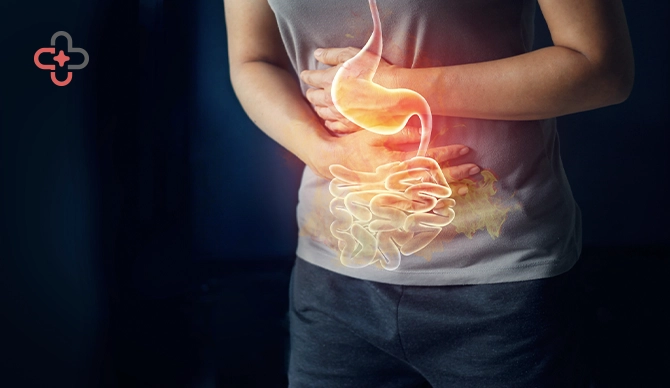
A stomach burning sensation is commonly caused by acid-related conditions such as acid reflux, gastritis, peptic ulcers, or indigestion. It typically feels like heat or discomfort in the upper abdomen. While occasional symptoms are common, persistent or severe burning may require medical evaluation.
What Does Stomach Burning Feel Like?
A burning sensation in the stomach often feels like a hot, gnawing, or stinging discomfort in the upper abdomen. It may occur after eating, on an empty stomach, or at night. Some people also experience a burning feeling that rises toward the chest.
Common Causes Of Stomach Burning
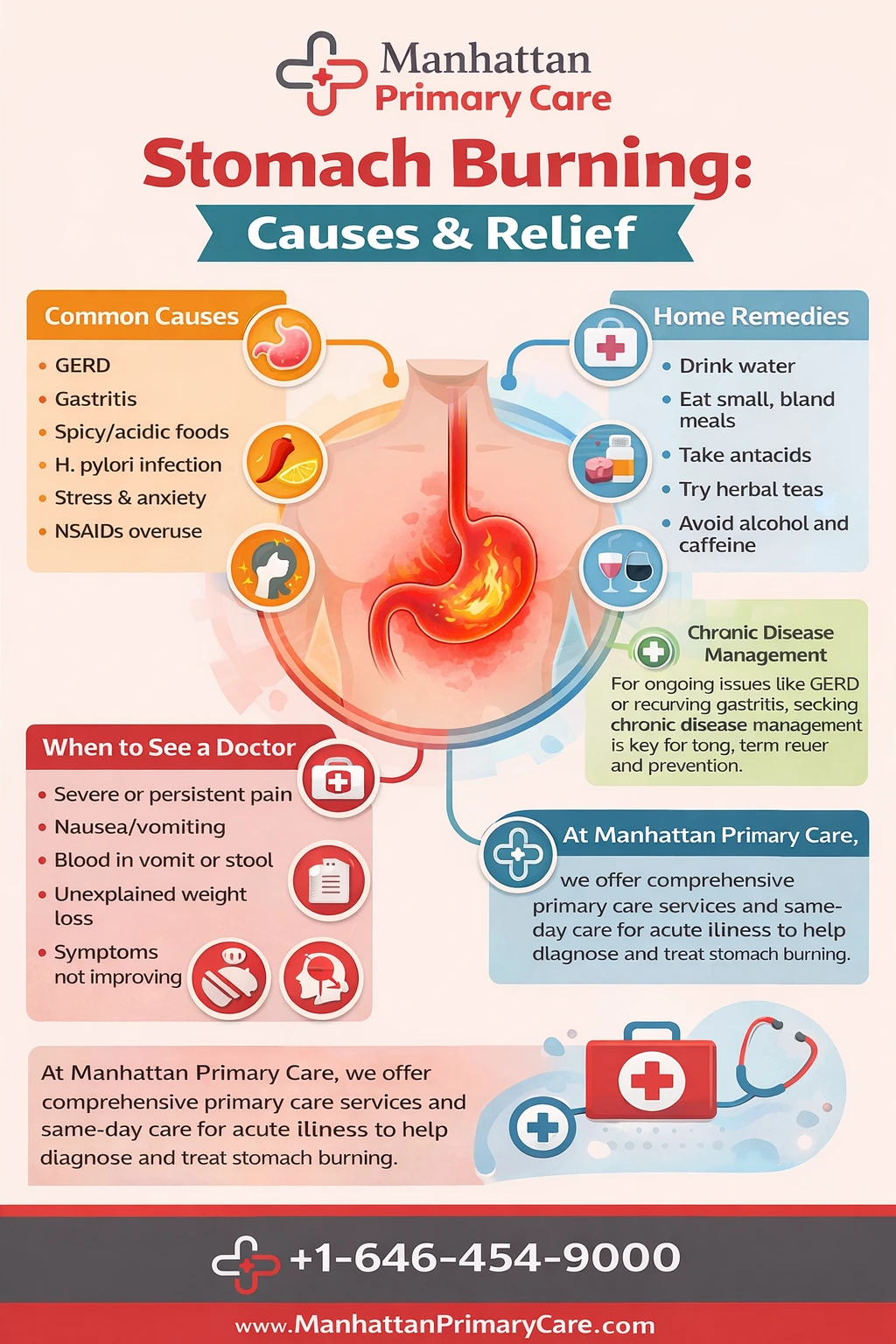
Stomach burning can result from several digestive conditions, most commonly related to excess stomach acid or irritation of the stomach lining.
Acid Reflux (GERD)
Acid reflux occurs when stomach acid flows back into the esophagus, causing a burning sensation after meals or when lying down.
Gastritis
Gastritis is inflammation of the stomach lining, often caused by alcohol, stress, infections like H. pylori, or certain medications.
Peptic Ulcers
Ulcers are open sores in the stomach lining that can cause a burning pain, especially when the stomach is empty.
Indigestion
Indigestion can cause discomfort, bloating, and a burning feeling after eating.
Other Causes
- Stress
- NSAID medications (like ibuprofen)
- Infections
Acid Reflux And Heartburn
Acid reflux happens when stomach acid irritates the esophagus. This leads to heartburn, a burning sensation that often worsens after eating or lying down.
Gastritis And Stomach Lining Irritation
Gastritis involves inflammation of the stomach lining. It can cause a persistent burning sensation, nausea, and discomfort.
Stomach Ulcers
Ulcers are sores in the stomach lining. They can cause burning stomach pain that may improve or worsen with eating.
Other Symptoms That May Occur
- Nausea
- Bloating
- Diarrhea
- Loss of appetite
Why Does My Stomach Burn After Eating?
After eating, your stomach produces acid to digest food. Certain foods like spicy, fatty, or acidic meals can increase acid production and trigger a burning sensation.
How To Stop Stomach Burning Immediately?
If your symptoms feel sudden or severe, seeking acute illness care can help you get fast relief and proper evaluation.
- Sip water (not large gulps): Small sips can help dilute excess stomach acid and reduce the burning sensation without overfilling the stomach.
- Choose soothing, bland foods: Opt for bananas, oatmeal, rice, toast, or yogurt to calm irritation and protect the stomach lining.
- Avoid trigger foods immediately: Stay away from spicy, fatty, fried, acidic (citrus, tomatoes), caffeine, and alcohol, which can worsen stomach burning.
- Use fast-acting antacids: Over-the-counter antacids can neutralize acid quickly and provide short-term relief.
- Sit upright after eating: Avoid lying down for at least 2–3 hours to prevent acid from moving upward.
- Loosen tight clothing: Reducing pressure on your abdomen can help minimize reflux and discomfort.
- Try gentle remedies like ginger tea: Ginger may help reduce inflammation and support digestion.
- Practice slow, deep breathing: Stress can worsen symptoms, and calming the body may reduce acid production.
Long-Term Treatment Options
For ongoing or recurring symptoms, structured care through chronic disease management can help control conditions like GERD and prevent flare-ups.
- Lifestyle changes (diet, weight management)
- Medications like antacids or proton pump inhibitors
- Treat underlying conditions
Home Remedies For Stomach Burning
- Ginger tea
- Smaller meals
- Avoid late-night eating
- Stress management
When Should You See A Doctor For Stomach Burning?
You should not ignore ongoing or severe stomach burning. Seek medical attention if you experience:
- Persistent symptoms (lasting more than a few days or recurring frequently): This may indicate conditions like GERD, gastritis, or ulcers that require proper diagnosis.
- Severe or worsening pain: Intense burning stomach pain can signal inflammation, infection, or even ulcer complications.
- Vomiting, especially with blood or dark material: This could be a sign of internal bleeding and needs urgent care.
- Blood in stool or black, tarry stools: A possible indicator of gastrointestinal bleeding.
- Unexplained weight loss or loss of appetite: May suggest a more serious underlying digestive condition.
- Difficulty swallowing or persistent nausea: Could point to esophageal or stomach disorders.
If you’re experiencing any of these symptoms, it’s important to get evaluated by a healthcare provider. Early diagnosis can prevent complications and help you find lasting relief.
At Manhattan Primary Care, our team provides comprehensive evaluation, including lab testing and digestive health assessments, to identify the exact cause of your stomach burning and create a personalized treatment plan through our primary care services.
Conclusion
Stomach burning is common but shouldn’t be ignored if it’s frequent or severe. It’s often caused by conditions like acid reflux, gastritis, or ulcers, which can be effectively managed.
While simple lifestyle changes and medications can help, persistent symptoms may indicate an underlying issue.
If your symptoms continue, a medical evaluation is the best way to get lasting relief. Manhattan Primary Care offers personalized care to identify the cause and treat it effectively.
Frequently Asked Questions
Is stomach burning serious?
Occasional burning is common, but persistent or severe symptoms may indicate a more serious condition.
Can stress cause stomach burning?
Yes, stress can increase stomach acid production and worsen symptoms.
Can dehydration cause a burning feeling in the stomach?
Yes, dehydration can reduce the stomach’s protective lining, allowing acid to irritate it more easily and cause burning.
Why does my stomach burn even when I haven’t eaten anything?
On an empty stomach, acid isn’t buffered by food, so it can directly irritate the lining, leading to a burning sensation.
Can certain drinks make stomach burning worse?
Yes, coffee, alcohol, soda, and citrus drinks can increase acid or irritate the stomach, worsening symptoms.
Is stomach burning related to food intolerances?
Yes, food intolerances can trigger irritation and inflammation in the digestive system, sometimes causing a burning feeling.
Can poor posture contribute to stomach burning?
Yes, slouching or lying down after eating can promote acid reflux, which may cause a burning sensation.
Sources
- Medical News Today – Stomach burning: What to know
- WellMed – 7 Common Causes of a Burning Sensation in the Stomach
- UBIE Health – Stomach Burning? Why Your Abdomen is Hurting & Medically Approved Next Steps
- Health Line – Burning Sensation in Your Stomach? Here Are Some Potential Causes
- American Family Care – Stomach Burning? Causes, Home Remedies and Treatments
Disclaimer
This blog is for informational & educational purposes only and does not intend to substitute any professional medical advice or consultation. For any health-related concerns, please consult with your physician, or call 911.
 492 6th Avenue New York, NY 10011
 +1-646-454-9000
 Hours of Operation


