
 Last updated: April 22, 2026
 7 min read
A urinary tract infection (UTI) is an infection in the urinary system, often caused by bacteria like E. coli. Common symptoms include painful urination, frequent urination, and lower abdominal discomfort. UTIs can be treated with antibiotics but may lead to more serious complications if left untreated.
What Is A Urinary Tract Infection?
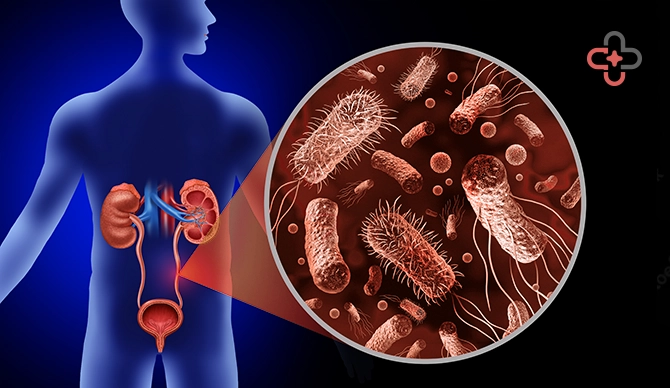
A urinary tract infection (UTI) occurs when harmful bacteria invade any part of the urinary system, which includes the kidneys, bladder and urethra. UTIs are one of the most common infections, particularly affecting women.
The most common types of UTIs are:
- Bladder infection (cystitis): Affecting the bladder, leading to painful urination and pelvic discomfort.
- Kidney infection (pyelonephritis): A more serious infection that can cause fever, chills, and back pain.
- Urethra infection (urethritis): Involving inflammation of the urethra, often linked with pain during urination.
UTIs are primarily caused by bacteria, especially Escherichia coli (E. coli), which normally lives in the intestines but can enter the urinary tract. If you suspect you may have a UTI, seeking immediate care is important.
Common Symptoms Of UTIs
The symptoms of a UTI can vary depending on which part of the urinary system is affected.
The most common signs include:
- Painful or burning urination (dysuria)
- Frequent urge to urinate, even when the bladder is empty
- Lower abdominal pain or pressure
- Cloudy or foul-smelling urine
- Blood in urine (hematuria)
- Nausea or fever (if the infection has reached the kidneys)
If you experience fever, chills, or back pain, it could indicate a kidney infection, which requires immediate medical attention. For these symptoms and a proper diagnosis, you can consult us through telehealth services, allowing you to access care remotely if you’re unable to visit in person.
Causes Of UTIs
The primary cause of UTIs is a bacterial infection, with E. coli being the most common culprit. These bacteria can enter the urinary tract through the urethra and multiply, causing an infection.
Other causes and risk factors include:
- Sexual activity: Can introduce bacteria into the urethra.
- Urinary retention: Not emptying the bladder fully can allow bacteria to grow.
- Catheter use: Inserting a catheter into the urethra can introduce bacteria.
- Diabetes: High blood sugar levels can promote bacterial growth.
Can A UTI Go Away On Its Own?
While some mild UTIs may resolve without treatment, it’s very rare. Most UTIs require antibiotic treatment to clear the infection completely. Left untreated, UTIs can lead to more severe complications, such as a kidney infection or sepsis. It’s crucial to seek medical advice as soon as symptoms arise. If you’re unsure whether your symptoms require immediate care, annual physical exams at Manhattan Primary Care can help detect underlying health concerns and prevent recurrent UTIs.
Risk Factors For Developing A UTI
Certain factors increase the likelihood of developing a UTI. These include:
- Female anatomy: Women are at a higher risk due to a shorter urethra.
- Pregnancy: Hormonal changes and pressure on the bladder can contribute to UTIs.
- Diabetes: High blood sugar levels can weaken the immune system and promote infection.
- Catheters: Long-term use of urinary catheters increases infection risk.
- Urinary tract abnormalities: Any condition that obstructs normal urine flow can contribute to UTIs.
For women experiencing frequent UTIs, our women’s health services are specifically designed to address these concerns and offer tailored care to prevent recurring infections.
How UTIs Are Diagnosed?
To diagnose a UTI, your healthcare provider will typically use:
- Urine tests: Urinalysis checks for bacteria, blood, and white blood cells in the urine. A urine culture identifies the specific bacteria causing the infection.
- Physical exam: Your provider may examine the abdomen and ask about symptoms.
- Imaging tests: For recurrent infections, imaging tests like ultrasounds or CT scans may be used to check for abnormalities in the urinary tract.
At Manhattan Primary Care, we provide accurate lab services to perform urine tests and ensure you get the proper diagnosis and treatment for UTIs.
Treatment For Urinary Tract Infections
Antibiotics are the main treatment for UTIs. Depending on the severity and the bacteria causing the infection, your doctor may prescribe one of the following:
- Trimethoprim-sulfamethoxazole (TMP-SMX)
- Nitrofurantoin
- Ciprofloxacin or other fluoroquinolones (for more complicated cases)
Over-the-counter medications, like phenazopyridine, may help ease pain and discomfort while the antibiotics work. It’s important to complete the full course of antibiotics, even if symptoms improve early, to ensure the infection is fully cleared.
For fast relief, same-day STD testing can also be useful, as some symptoms of UTIs overlap with sexually transmitted infections.
Complications Of Untreated UTIs
If left untreated, UTIs can lead to more serious health issues, including:
- Kidney infections (pyelonephritis): These can cause permanent kidney damage.
- Recurrent UTIs: Some individuals may experience frequent infections, which require specialized treatment.
- Sepsis: A life-threatening infection that can spread to the bloodstream.
How To Prevent UTIs?
While it may not always be possible to prevent UTIs, the following steps can reduce the risk:
- Drink plenty of water to flush out bacteria from the urinary tract.
- Practice good hygiene: Wipe from front to back after using the toilet.
- Urinate before and after sex to help clear any bacteria from the urethra.
- Avoid irritating products such as douches, scented soaps, and powders, which can irritate the urethra.
- Consider cranberry supplements, as some studies suggest they may help prevent infections (though more research is needed).
In addition to these measures, our preventive care services at Manhattan Primary Care can help you develop a health plan that reduces your risk of UTIs and promotes overall well-being.
When To See A Doctor
You should see a healthcare provider if:
- Your symptoms don’t improve or worsen after a couple of days.
- You experience severe pain, fever, or chills.
- Blood appears in your urine.
- You have frequent UTIs or are worried about potential complications.
If you have any concerns about your health, Manhattan Primary Care is here to provide thorough care through our primary care services, ensuring that you receive proper diagnosis, treatment, and follow-up.
Myth vs Fact: Common UTI Misconceptions
Myth: UTIs are always caused by poor hygiene.
Fact: While hygiene can contribute, most UTIs are caused by bacteria entering the urinary tract, often unrelated to hygiene.
Myth: Cranberry juice can cure a UTI.
Fact: While cranberry juice may help prevent UTIs, it’s not a cure. Antibiotics are required to treat an existing infection.
Conclusion
Understanding the causes, symptoms, and treatments for UTIs is essential for managing your health. Early diagnosis and proper treatment are crucial to prevent complications such as kidney infections or recurrent UTIs. If you experience any symptoms of a UTI, don’t wait — seek medical attention promptly to get the best care and avoid more serious health risks. At Manhattan Primary Care, we offer comprehensive primary care services to help you navigate your health concerns.
Frequently Asked Questions
Can a UTI cause nausea?
Yes, if the infection spreads to the kidneys, it can cause nausea, vomiting, and fever.
Can a UTI kill you?
While rare, untreated UTIs can lead to kidney infections or sepsis, which can be life-threatening.
Is a UTI an STD?
No, UTIs are not sexually transmitted, though sexual activity can increase the risk of developing one.
Are UTIs contagious?
No, UTIs are not contagious, but sexual activity can introduce bacteria that may lead to an infection.
Can UTIs cause headaches?
UTIs usually don’t cause headaches, but a kidney infection can lead to headache along with other symptoms.
How long does a UTI last?
With treatment, a UTI usually clears up in 1 to 2 days, but it’s important to finish the entire course of antibiotics.
Sources
- Medical News Today – Urinary tract infection (UTI) symptoms, causes, and remedies
- University of Chicago Medicine – What you should know about urinary tract infections
- WebMD – What Is a Urinary Tract Infection?
- Planned Parenthood – What is a Urinary Tract Infection (UTI)?
- Cleveland Clinic – What is a urinary tract infection (UTI)?
Disclaimer
This blog is for informational & educational purposes only and does not intend to substitute any professional medical advice or consultation. For any health-related concerns, please consult with your physician, or call 911.
 492 6th Avenue New York, NY 10011
 +1-646-454-9000
 Hours of Operation


