
 Last updated: July 1, 2026
 16 min read
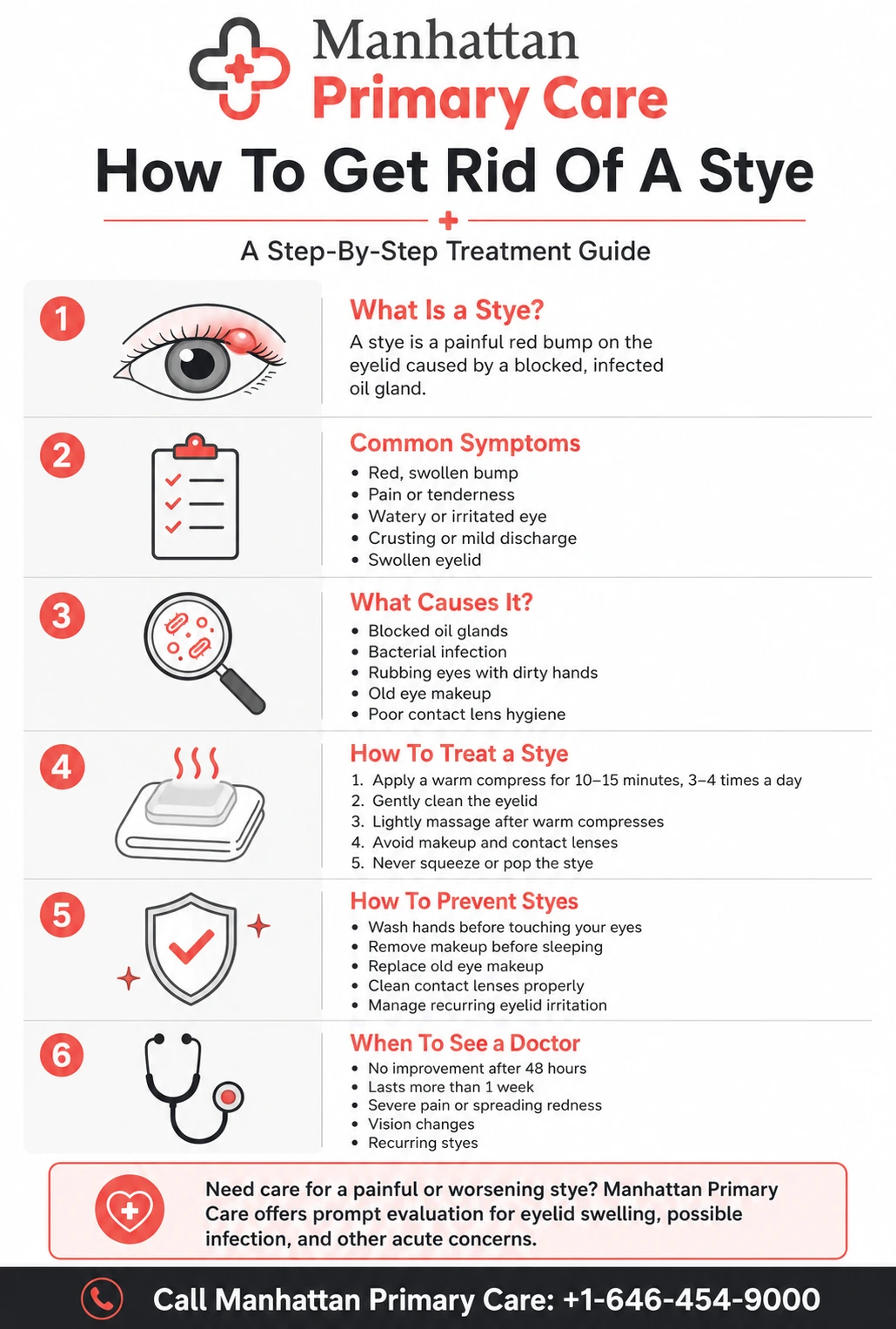
To get rid of a stye, apply a warm compress for 10–15 minutes several times daily, keep the eyelid clean and avoid squeezing the bump. A stye is a painful red bump caused by a blocked, infected eyelid oil gland. See a doctor if it worsens, affects vision or lasts more than a week.
A stye eye can feel uncomfortable, swollen and frustrating, especially when it appears suddenly before work, school, travel or an important event. The good news is that most styes improve with simple home care. The key is knowing what helps, what makes it worse and when a painful stye on eyelid needs medical attention.
At Manhattan Primary Care, patients can be evaluated for sudden eyelid swelling, painful bumps, possible stye infection and other acute eye-related concerns. Same-day appointments and walk-ins are available based on availability, making it easier to get checked when symptoms are not improving.
What Is A Stye?
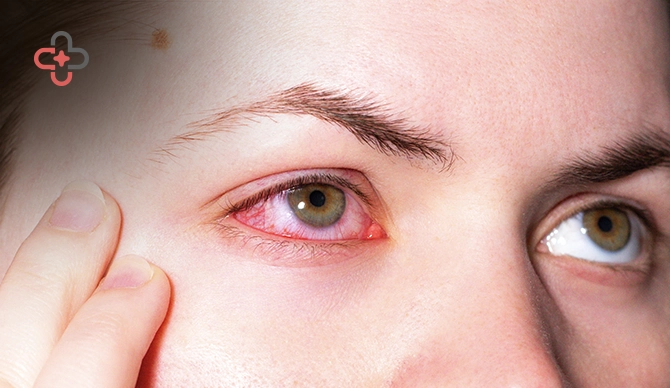
A stye, also called a hordeolum, is a painful red bump that forms on or near the eyelid. Many people describe it as a pimple on eyelid, but it is not the same as regular acne.
A stye forms when an oil gland or eyelash follicle becomes blocked and infected. These tiny glands normally help keep the eye surface lubricated. When bacteria enter the blocked gland, the area can become red, swollen, tender and filled with pus.
A stye can appear on:
- The upper eyelid
- The lower eyelid
- The lash line
- The outer eyelid
- The inner eyelid
Most styes are uncomfortable but not dangerous. They usually do not affect vision unless swelling becomes significant or the eyelid becomes very inflamed.
External vs Internal Stye: What Is The Difference?
There are two main types of styes: external styes and internal styes. Both involve infected or inflamed oil glands, but they form in different parts of the eyelid.
| Type of Stye | Where It Forms | Common Symptoms | Severity | Usual Treatment |
| External stye | On the outside edge of the eyelid, often near the lash line | Red bump, tenderness, swelling, possible white or yellow head | Usually mild to moderate | Warm compresses, eyelid cleaning, avoid squeezing |
| Internal stye | Inside the eyelid, facing the eyeball | Deeper eyelid pain, swelling, pressure, tenderness when blinking | Can be more painful and harder to drain naturally | Warm compresses, medical evaluation if persistent or worsening |
| Recurrent stye | Repeated styes in the same or different eyelids | Frequent bumps, crusting, eyelid irritation | May suggest blepharitis, rosacea, diabetes or chronic eyelid inflammation | Doctor evaluation, prevention plan, possible treatment for underlying cause |
| Infected or worsening stye | Stye with spreading redness, worsening pain, pus or eyelid swelling | Severe tenderness, swelling, warmth, discharge, possible vision changes | Needs medical care | Antibiotic ointment, oral antibiotics or drainage if needed |
External styes are usually more common and easier to notice. Internal styes may feel deeper, more painful and may cause more eyelid swelling.
What Causes A Stye?
The main cause of a stye is a blocked oil gland in the eyelid that becomes infected, often with bacteria such as Staphylococcus. These bacteria commonly live on the skin, but they can cause irritation or infection when they enter a blocked eyelid gland.
Common causes of stye include:
- Blocked oil glands in the eyelid margin
- Bacterial infection, usually from skin bacteria
- Touching or rubbing the eyes with unwashed hands
- Sleeping with eye makeup on
- Using old or expired makeup
- Sharing eye makeup, towels or washcloths
- Poor contact lens hygiene
- Wearing contaminated contact lenses
- Chronic blepharitis
- Rosacea or acne-prone skin
- A history of previous styes
Contact lens users can be more prone to an eye stye if lenses are inserted with unwashed hands or not disinfected properly. Makeup can also increase risk when it blocks eyelid glands or introduces bacteria near the lash line.
Risk Factors For Developing Styes
Anyone can get a stye, but some people are more likely to develop one.
You may have a higher risk if you:
- Frequently rub your eyes
- Wear contact lenses
- Use eye makeup daily
- Do not fully remove makeup before sleeping
- Have blepharitis
- Have rosacea, acne or dandruff
- Have diabetes
- Have a history of recurring styes
- Have oily skin or blocked eyelid glands
If styes keep coming back, it may be a sign of chronic eyelid inflammation, poor eyelid hygiene, contact lens contamination or an underlying health issue that needs proper evaluation.
Symptoms Of A Stye
A stye on eye usually causes localized pain and swelling. It may start as mild eyelid tenderness before becoming a visible bump.
Common stye symptoms include:
- Red, swollen bump on the eyelid
- Eyelid tenderness
- Pain when blinking
- Watery eye
- Mild irritation
- Crusting along the eyelid
- Pus or a white/yellow head
- Scratchy feeling in the eye
- Light sensitivity
- Swollen eyelid
The main symptom is usually a painful bump along the eyelid edge near the eyelashes. Other symptoms can include swelling, discharge, crusting, light sensitivity, soreness, itching, tearing or a scratchy sensation.
A stye eyelid bump is often more painful than a chalazion. A chalazion is usually firmer, deeper and less tender.
Stye vs Chalazion vs Pink Eye: How To Tell The Difference
Not every eyelid bump or red eye is a stye. Sometimes, a bump that looks like a stye in eye may actually be a chalazion, pink eye, blepharitis, eyelid cellulitis or another eyelid condition.
| Condition | Main Sign | Pain Level | Discharge | Contagious? | What To Do |
| Stye | Painful red bump on eyelid or lash line | Usually tender or painful | Sometimes pus or crusting | Not highly contagious, but bacteria can spread | Warm compresses, eyelid hygiene, avoid squeezing |
| Chalazion | Firm eyelid lump, often deeper in eyelid | Usually painless or mildly tender | Usually no pus | No | Warm compresses; see a doctor if persistent |
| Pink eye | Redness across the white of the eye | Burning, gritty or irritated | Watery or thick discharge | Can be contagious depending on cause | Medical evaluation if severe, worsening or with discharge |
| Blepharitis | Crusty, irritated eyelid margins | Mild soreness or burning | Crusting common | Not usually | Eyelid hygiene and chronic management |
| Eyelid cellulitis | Spreading redness, warmth, swelling around eyelid | Moderate to severe | May or may not have discharge | Infection can spread | Needs prompt medical care |
A stye is usually painful and localized. A chalazion is typically less painful and may sit farther back on the eyelid. Pink eye usually causes more widespread redness across the eye rather than one tender eyelid bump.
How To Treat A Stye: Step-by-Step?
The best way to get rid of a stye is to support natural drainage while preventing further irritation or infection spread. Most styes do not need aggressive treatment. They need consistent, gentle care.
Step 1: Apply A Warm Compress
A warm compress is the first-line home treatment for stye swelling and pain.
How to do it:
- Wash your hands.
- Soak a clean washcloth in warm water.
- Wring it out so it is damp, not dripping.
- Place it over the closed eyelid.
- Keep it there for 10–15 minutes.
- Rewarm the cloth if it cools down.
- Repeat 3–4 times per day.
Warm compresses help soften blocked oil and may encourage the stye to drain naturally.
Do not use water that is too hot. The eyelid skin is thin and can burn easily.
Step 2: Gently Massage The Eyelid
After the warm compress, you can gently massage the eyelid using clean fingers.
Use very light pressure and massage toward the lash line. Do not press hard. Do not try to force drainage. If massage causes sharp pain, stop.
Gentle massage after warm compresses may help the blocked gland open naturally.
Step 3: Keep The Eyelid Clean
Clean eyelids reduce bacteria and crusting.
You can gently clean the eyelid with:
- Mild soap and water
- Sterile eyelid wipes
- A clean damp cloth
- Doctor-recommended eyelid cleanser
Avoid harsh scrubbing, alcohol-based products, hydrogen peroxide or strong skincare products near the eye.
Step 4: Do Not Squeeze or Pop The Stye
This is one of the most important rules.
Do not squeeze, pop, lance or pick at a stye. It may seem like a quick fix, but it can push bacteria deeper into the eyelid and spread infection.
A stye should drain naturally or be treated by a medical professional if drainage is needed.
Step 5: Stop Eye Makeup Until It Heals
Do not apply eyeliner, mascara, eyeshadow or concealer over a stye. Makeup can block the gland further, introduce bacteria and delay healing.
Throw away old eye makeup, especially mascara or eyeliner used while the stye was active. Do not share eye cosmetics.
Step 6: Avoid Contact Lenses Temporarily
If you wear contacts, switch to glasses until the stye improves. Contact lenses can become contaminated with bacteria and may irritate the eye while the eyelid is inflamed.
Before wearing contacts again, clean your lenses properly, replace disposable lenses if needed and make sure your contact lens case is clean.
Step 7: Use Pain Relief Carefully
If the stye is painful, over-the-counter pain relief may help. Follow the label instructions. If you are pregnant, take blood thinners, have kidney disease, stomach ulcers, liver disease or chronic medical conditions, ask a healthcare provider before using pain medication.
Pain relief does not treat the stye itself. It only helps manage discomfort while the stye heals.
Step 8: Seek Medical Treatment If It Does Not Improve
If the stye does not improve with home care, a doctor may recommend medical treatment.
Medical treatment for stye may include:
- Prescription antibiotic ointment
- Antibiotic eye drops
- Oral antibiotics if infection spreads beyond the eyelid
- Steroid injection in selected cases
- Professional drainage if the stye is persistent or severe
- Referral to an eye specialist if advanced care is needed
At Manhattan Primary Care, a provider can evaluate your eyelid, check for signs of infection, recommend appropriate treatment and refer you to an ophthalmologist if specialized eye care or drainage is needed.
How To Quickly Get Rid Of A Stye?
Many people search for how to quickly get rid of a stye or eye stye fast treatment because they want overnight relief. The honest answer is that most styes do not disappear overnight.
However, you may reduce pain and swelling faster by doing the right things consistently:
- Use warm compresses 3–4 times daily
- Keep the eyelid clean
- Avoid makeup
- Avoid contacts
- Do not squeeze the bump
- Wash hands before and after touching the eye area
- Sleep on a clean pillowcase
- See a doctor if swelling worsens or pain increases
The best way to get rid of a stye is not aggressive squeezing. It is steady warm compresses, eyelid hygiene and medical care when symptoms do not improve.
How Long Do Styes Last?
Most styes improve within a few days and often clear within one to two weeks.
The healing timeline can vary:
- Day 1–2: Tenderness, redness, mild swelling
- Day 3–5: Bump may become more visible; pus may form
- Day 5–7: Pain and swelling often begin improving
- Week 1–2: Many styes drain or shrink
- Beyond 1–2 weeks: Persistent bumps may need medical evaluation
If the eyelid swelling is getting worse after a few days or the stye does not start improving after 48 hours of self-care, it is reasonable to contact a healthcare provider.
Are Styes Contagious?
A stye itself is not highly contagious like a cold or flu. However, the bacteria involved can spread through hands, towels, pillowcases, makeup or contact lens handling.
So, are styes contagious? The practical answer is: not usually through casual contact, but bacteria can spread if hygiene is poor.
To reduce the chance of spreading bacteria:
- Wash your hands often
- Do not touch or rub the stye
- Do not share towels
- Do not share makeup
- Wash pillowcases regularly
- Avoid reusing dirty washcloths
- Clean contact lenses properly
Good hygiene matters because bacteria around the eyelid can spread from one area to another, especially if you touch the stye and then touch the other eye.
Can A Stye Patch Help?
A stye patch may seem convenient, but it should not replace warm compresses or eyelid hygiene. Some patches may help stop you from touching the area, but covering a stye too tightly may irritate the eyelid or trap moisture.
Use caution with any adhesive product near the eye. If you use a stye patch, make sure it does not touch the eyeball, block drainage, worsen irritation or leave adhesive residue near the lashes.
For most people, warm compresses remain the best home treatment for stye swelling and discomfort.
How To Reduce Stye Swelling?
To reduce stye swelling safely:
- Apply warm compresses for 10–15 minutes
- Repeat several times daily
- Keep the eyelid clean
- Avoid makeup and contact lenses
- Do not squeeze the bump
- Sleep with your head slightly elevated if swelling is noticeable
- Use pain relief only as directed
- Get medical care if swelling spreads or the eyelid becomes hot, very painful or swollen shut
Swelling should gradually improve. If swelling spreads to the entire eyelid, cheek or face, it may be more than a simple stye and should be checked by a healthcare provider.
What Not To Do When You Have A Stye?
Avoid these common mistakes:
- Do not pop the stye.
- Do not squeeze pus out.
- Do not wear mascara or eyeliner over it.
- Do not use expired makeup.
- Do not wear contact lenses until it heals.
- Do not use steroid creams near the eye unless prescribed.
- Do not apply garlic, lemon juice, toothpaste or harsh home remedies.
- Do not share towels or makeup.
- Do not ignore worsening redness, swelling or vision changes.
The eye area is delicate. Aggressive home remedies can worsen irritation or cause injury.
How To Prevent Styes?
The best prevention strategy is consistent eyelid hygiene and reducing bacterial exposure around the eyes.
To prevent styes:
- Wash your hands before touching your eyes.
- Remove makeup before sleeping.
- Replace old mascara, eyeliner and eye products.
- Avoid sharing towels, makeup or eye tools.
- Clean makeup brushes regularly.
- Wash pillowcases often.
- Disinfect contact lenses properly.
- Replace contact lens cases regularly.
- Do not wear contacts longer than recommended.
- Manage blepharitis, rosacea or chronic eyelid irritation.
- Use warm compresses periodically if you are prone to recurrent styes.
If you keep getting styes, do not just treat each one separately. Recurring styes may be linked to chronic eyelid inflammation, skin conditions, diabetes or gland dysfunction.
When To See A Doctor For A Stye
Most styes can be treated at home, but some need medical attention.
See a doctor if:
- The stye does not improve after 48 hours of home care
- The stye lasts more than a week
- Pain is severe
- Redness is spreading
- Swelling involves the entire eyelid
- The eyelid feels hot
- The eye swells shut
- Pus or blood leaks from the bump
- Vision becomes blurry or worse
- You have repeated styes
- You have diabetes or immune system concerns
- You are not sure if the bump is a stye, chalazion, cyst or another condition
At Manhattan Primary Care, same-day appointments are available whenever possible for urgent issues and sudden illnesses. If your eyelid bump is painful, worsening, draining or affecting your vision, a primary care provider can examine the area and guide the next step.
How A Doctor Treats A Stye?
During a visit, your provider may:
- Examine the eyelid
- Ask how long the bump has been present
- Check for spreading infection
- Review contact lens or makeup habits
- Look for blepharitis or recurrent eyelid inflammation
- Determine whether it is a stye, chalazion, pink eye or another issue
- Recommend prescription treatment if needed
- Refer you to an ophthalmologist if drainage or specialist care is required
A primary care provider can often evaluate a stye and determine whether conservative care is enough or whether antibiotics or specialist referral are appropriate. Our primary care services can help patients receive timely evaluation for eyelid swelling, possible stye infection, recurring styes, and related symptoms.
Myth vs Fact: Stye Treatment
| Myth | Fact |
| Squeezing a stye helps it heal faster. | Squeezing can spread infection and make swelling worse. Leave the stye alone and use warm compresses. |
| All styes are highly contagious. | A stye itself is not usually highly contagious, but bacteria can spread through hands, towels, makeup or contact lenses. |
| A stye always needs antibiotics. | Most styes improve with warm compresses and eyelid hygiene. Antibiotics may be needed if infection spreads or the stye does not improve. |
| Makeup can hide a stye safely. | Makeup can block glands, irritate the eyelid and delay healing. Avoid eye makeup until the stye heals. |
| A stye patch is the fastest treatment. | A stye patch may reduce touching, but warm compresses and eyelid hygiene are the main home treatments. |
| A painless eyelid bump is always a stye. | A painless lump may be a chalazion or another eyelid condition. Persistent bumps should be checked. |
Conclusion
A stye is common, painful and usually treatable with warm compresses, clean eyelids and patience. The most important rule is simple: do not squeeze it. Most styes improve within one to two weeks, but worsening swelling, spreading redness, vision changes, severe pain or recurring styes should be checked by a healthcare provider.
If you have a painful stye on eyelid that is not improving, Manhattan Primary Care can evaluate your symptoms, check for infection and guide the right treatment plan through our primary care services and acute illness treatment options. Call +1-646-454-9000 or book an appointment online for prompt care in NYC.
Frequently Asked Questions
Can stress cause a stye?
Stress does not directly cause a stye, but it may increase eye rubbing, poor sleep and weakened hygiene habits, which can make eyelid irritation more likely.
Can a stye cause blurry vision?
A stye usually does not affect vision. Blurry vision may happen if swelling presses on the eye or discharge covers the surface. If vision changes continue, see a doctor.
Can kids get styes?
Yes, children can get styes, often from rubbing their eyes with unwashed hands. Parents should avoid squeezing the bump and seek care if swelling spreads or pain worsens.
Are eye drops useful for a stye?
Regular eye drops may soothe irritation, but they usually do not remove the blocked gland causing the stye. Prescription drops should only be used when recommended by a provider.
Can allergies look like a stye?
Yes, allergies can cause eyelid swelling, redness and watery eyes, but they usually do not cause one painful bump on the eyelid. A tender bump is more typical of a stye.
Can a stye leave a lump after healing?
Yes, sometimes the pain improves but a small firm lump remains. This may be a chalazion or leftover gland blockage and should be checked if it does not go away.
Sources
- Denver Youth Vision – Optometrist Explains How to Get Rid of a Stye
- Duke University Health System – What Causes a Stye and the Best Ways to Get Rid of One Featuring Singh
- Cooper Vision – Styes: How We Get Them and How to Get Rid of Them
- Pacific Eye – Cure a Stye Overnight: Steps for Quick Relief and Care
- University of Utah Health – How to Heal a Stye at Home
Disclaimer
This blog is for informational & educational purposes only and does not intend to substitute any professional medical advice or consultation. For any health-related concerns, please consult with your physician, or call 911.
 492 6th Avenue New York, NY 10011
 +1-646-454-9000
 Hours of Operation


