
 Last updated: November 18, 2026
 6 min read
Many women searching “how I knew I had cervical cancer” want to understand which symptoms may appear before diagnosis. Common warning signs can include unusual vaginal bleeding, changes in discharge, pelvic pain, or pain during intercourse. However, these symptoms can have many causes and do not always mean cancer.
At Manhattan Primary Care, women can receive guidance through preventive care, health screenings, and medical evaluations to better understand symptoms and recommended next steps.
How Do People Know They May Have Cervical Cancer?
Cervical cancer is often detected through screening tests before symptoms appear. When symptoms develop, they may include abnormal vaginal bleeding, unusual discharge, pelvic discomfort, or pain during intercourse.
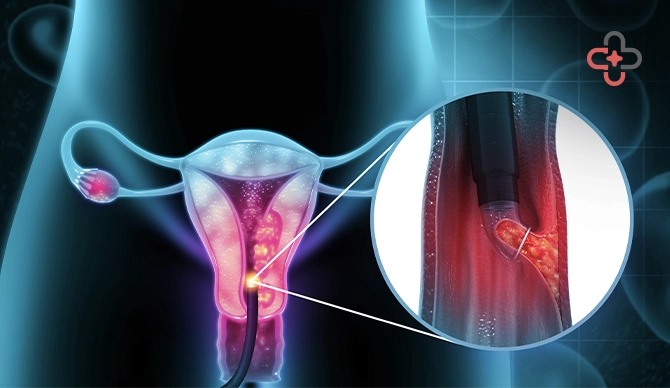
The cervix is the lower part of the uterus that connects to the vagina. Cervical cancer usually develops slowly from abnormal cell changes, often associated with certain types of human papillomavirus (HPV).
Because early cervical cancer may not cause noticeable symptoms, routine screening plays an important role in identifying abnormal changes before they progress.
What Were The First Signs Of Cervical Cancer?
The first signs of cervical cancer can vary from person to person. Some women notice changes in their menstrual cycle, while others experience symptoms involving bleeding, discharge, or pelvic discomfort.
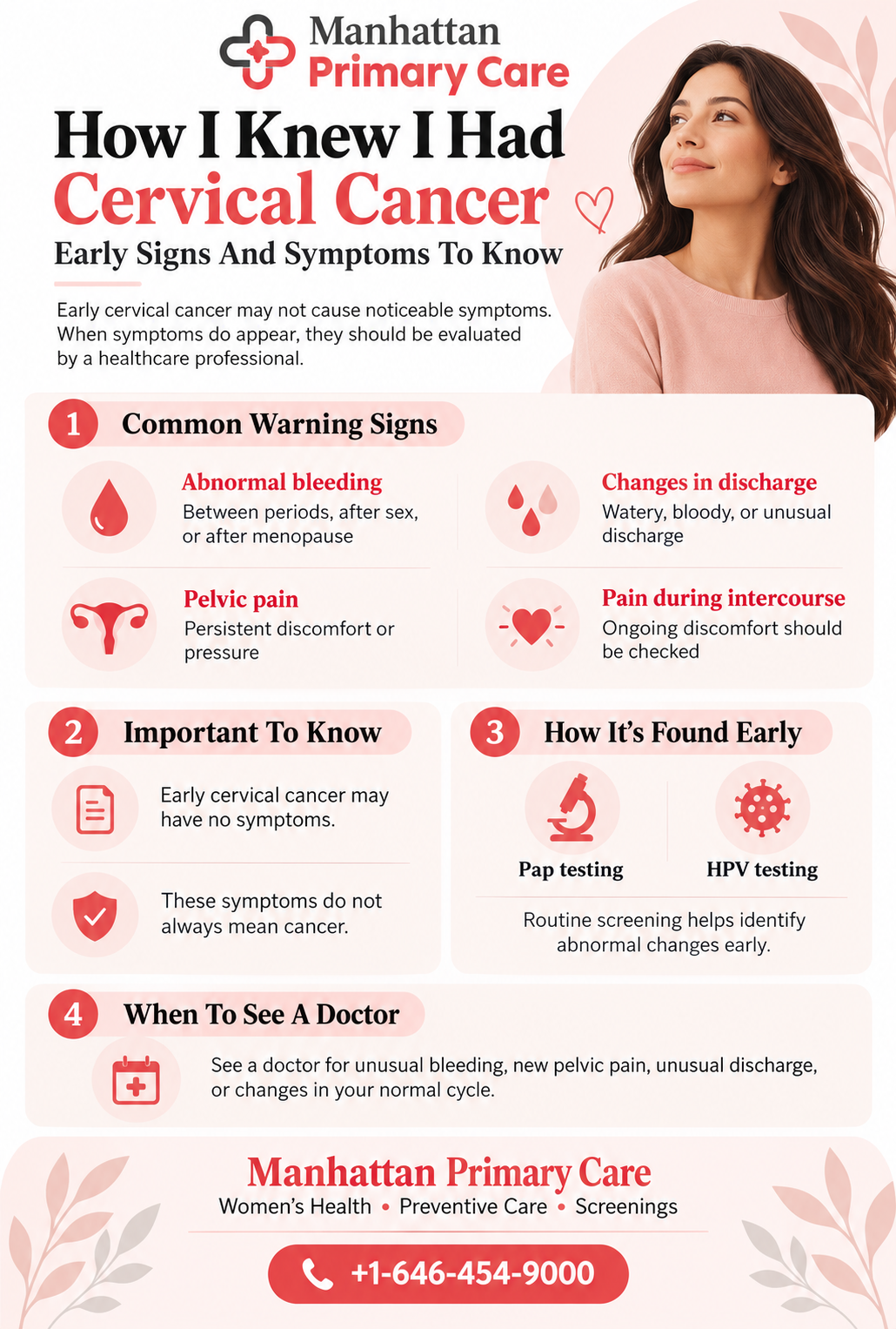
Common symptoms that may lead someone to seek medical care include:
Abnormal Vaginal Bleeding
Unusual vaginal bleeding is one of the most common warning signs associated with cervical cancer.
This may include:
- Bleeding between periods
- Bleeding after sexual activity
- Heavier or longer periods than usual
- Bleeding after menopause
Abnormal bleeding does not always mean cervical cancer. Hormonal changes, infections, cervical polyps, and other conditions can also cause bleeding. However, any new or unexplained bleeding should be discussed with a healthcare professional.
Changes In Vaginal Discharge
Some women notice changes in vaginal discharge before a cervical cancer diagnosis.
Possible changes may include:
- Increased discharge
- Watery discharge
- Bloody discharge
- Discharge with an unusual odor
Vaginal discharge can naturally change throughout the menstrual cycle. However, a new or persistent change, especially when combined with bleeding or pelvic discomfort, should be evaluated.
Pelvic Pain Or Discomfort
Persistent pelvic pain or pressure can be a symptom that requires medical evaluation, especially when it occurs with other changes.
Some women may experience:
- Lower abdominal discomfort
- Pelvic pressure
- Persistent aches
- Pain that affects daily activities
Pelvic pain can have many possible causes, including infections, digestive conditions, reproductive health concerns, or muscle-related issues. A proper medical evaluation can help identify the cause.
Pain During Sexual Intercourse
Pain during intercourse can happen for many reasons, but ongoing discomfort should be discussed with a healthcare provider.
Possible causes include:
- Hormonal changes
- Vaginal dryness
- Infections
- Pelvic health conditions
If pain occurs along with abnormal bleeding or unusual discharge, it is important to seek medical advice.
Can Cervical Cancer Develop Without Symptoms?
Yes, cervical cancer can develop without noticeable symptoms, especially during its early stages. This is why regular cervical cancer screening is important even when you feel healthy.
Screening can help identify:
- Abnormal cervical cells
- HPV-related changes
- Early signs of cervical cancer
Finding changes early allows healthcare providers to recommend appropriate follow-up care and monitoring.
Regular preventive care visits also provide an opportunity to discuss changes in your health and stay updated with recommended screenings.
Are Cervical Cancer Symptoms Always Cancer?
No. Symptoms linked to cervical cancer can also occur because of other health conditions.
For example, abnormal bleeding or pelvic discomfort may be caused by:
- Hormonal changes
- Vaginal or cervical infections
- Fibroids
- Polyps
- Other reproductive health conditions
Because many conditions can cause similar symptoms, it is difficult to determine the cause without a proper medical evaluation. A healthcare provider can review your symptoms, medical history, and recommend appropriate testing if needed.
How Is Cervical Cancer Detected Early?
Cervical cancer is commonly detected through screening tests such as Pap testing and HPV testing before symptoms appear.
During a healthcare visit, a provider may discuss:
- Personal health history
- Previous screening results
- Current symptoms
- Recommended screening schedule
A Pap test checks for abnormal cervical cells, while HPV testing looks for certain HPV types associated with cervical cancer risk.
Regular preventive care helps identify potential concerns early and supports better long-term health management.
When Should You See A Doctor About Cervical Cancer Symptoms?
Consider scheduling a medical evaluation if you experience:
- Bleeding after sex
- Bleeding between periods
- Bleeding after menopause
- New or persistent pelvic pain
- Unusual vaginal discharge
- Changes in your normal menstrual pattern
You do not need to wait until symptoms become severe before seeking medical advice. Early evaluation can help identify the cause and determine the appropriate next steps.
How Manhattan Primary Care Supports Women’s Health?
Manhattan Primary Care helps women manage their health through preventive care, routine exams, symptom evaluation, and personalized medical guidance.
During a visit, healthcare providers can discuss reproductive health concerns, changes in symptoms, recommended screenings, and overall wellness. Regular care helps address health concerns earlier and keeps patients informed about their screening needs.
If you have questions about cervical cancer symptoms or need guidance about preventive screenings, Manhattan Primary Care provides women’s health support to help you understand your health and next steps.
Conclusion
Recognizing possible cervical cancer symptoms can help you seek medical advice when changes occur. Symptoms like unusual bleeding, discharge changes, or pelvic discomfort should be evaluated, even though they may have causes other than cancer.
Regular screenings and preventive care help identify concerns early. Manhattan Primary Care supports women’s health through evaluations, screenings, and personalized medical guidance.
Frequently Asked Questions
Can cervical cancer have no symptoms?
Yes. Early cervical cancer may not cause noticeable symptoms, which is why recommended screening is important even when you feel healthy.
What is usually the first warning sign of cervical cancer?
Abnormal vaginal bleeding, especially bleeding after sex or between periods, is one possible warning sign that should be evaluated.
Does bleeding after sex always mean cervical cancer?
No. Bleeding after sex can happen for many reasons, including infections, hormonal changes, or cervical conditions. A healthcare provider can help determine the cause.
Can a Pap test find cervical cancer early?
Yes. Pap testing can identify abnormal cervical cells that may require monitoring or additional evaluation.
Should I see a primary care doctor for cervical cancer concerns?
Yes. A primary care doctor can evaluate symptoms, discuss screening needs, and guide you toward appropriate follow-up care when needed.
Sources
- MD Anderson – ‘How I knew I had cervical cancer’: 4 survivors describe their symptoms
- Moffitt – Five Signs of Cervical Cancer Beyond Early Detection
- Royal Medical – How I Knew I Had Cervical Cancer: Early Signs & Diagnosis
- Manhattan Medical Arts – “How I Knew I Had Cervical Cancer”: Signs That Lead to Diagnosis
- Medico Experts – How did I know I had cervical cancer?
Disclaimer
This blog is for informational & educational purposes only and does not intend to substitute for any professional medical advice or consultation. For any health-related concerns, please consult with your physician or call 911.
 492 6th Avenue New York, NY 10011
 +1-646-454-9000
 Hours of Operation


