
 Last updated: July 29, 2026
 15 min read
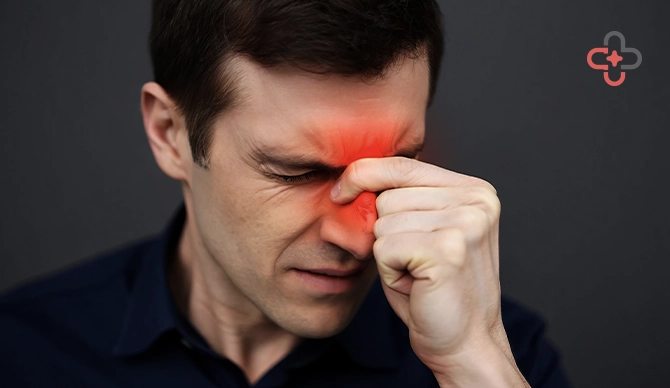
A burning sensation inside your nose can feel sharp, dry, raw or unusually sensitive. Your nostrils may burn when you breathe, your nose may hurt when you press it or the discomfort may appear while you have a cold, allergies or sinus symptoms.
In most cases, nose burning is caused by dryness, inflammation, allergies, infection, frequent nose blowing or exposure to an irritating substance. Mild symptoms often improve with hydration and gentle nasal care. Persistent, severe or recurring symptoms may require medical evaluation.
Why Does My Nose Burn?
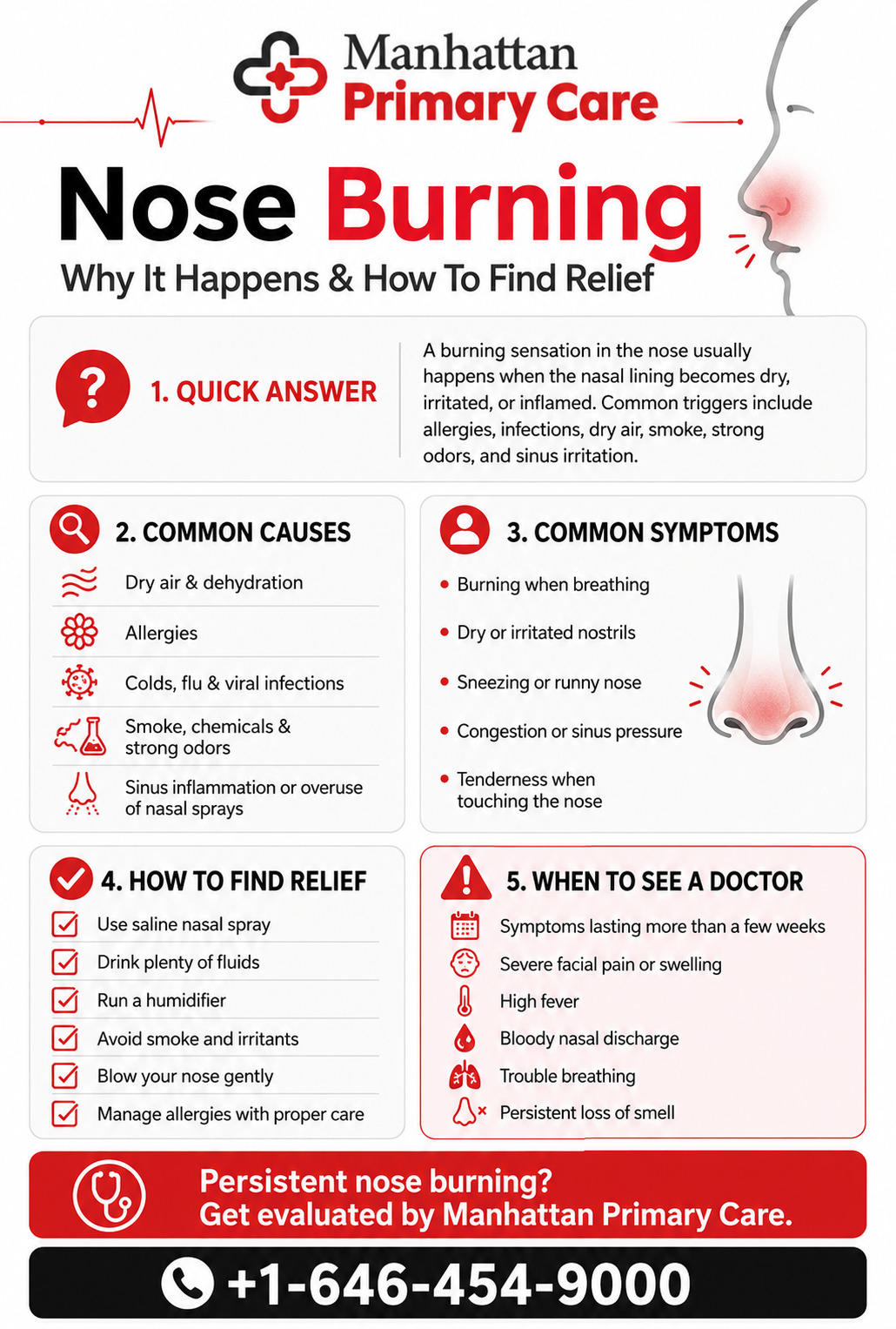
A burning sensation in the nose usually occurs when the delicate lining of the nasal passages becomes dry, irritated or inflamed. Common triggers include dry air, allergies, respiratory infections, smoke, strong odors and sinus irritation. Most cases improve with hydration and nasal care, but persistent or severe burning should be evaluated by a healthcare provider.
What Does A Burning Sensation In The Nose Mean?
The inside of your nose is covered by a thin, moist layer of tissue called the nasal lining. This lining warms, filters and moisturizes the air you breathe. It also helps trap dust, allergens, germs, smoke particles and other irritants.
When this protective lining becomes dry or inflamed, sensitive nerve endings may become irritated.
This can cause:
- Burning or stinging
- Dryness
- Itching
- Tenderness
- Crusting
- A raw feeling inside the nostrils
- Discomfort when breathing
A burning nose sensation is a symptom, not a diagnosis. The cause often depends on when the burning started, what triggers it, how long it lasts and whether other symptoms occur with it.
Common Causes Of Nose Burning
Nose burning is most often caused by dryness, irritation, allergies or infection.
Dryness And Nasal Irritation
Dry nasal passages are among the most common causes of burning nostrils.
A thin layer of moisture normally protects the inside of the nose. When the nasal lining dries out, airflow can feel sharp, cold or irritating.
Common causes of nasal dryness include:
- Low humidity
- Cold weather
- Indoor heating
- Air conditioning
- Dehydration
- Air travel
- Sleeping near a fan
- Frequent nose blowing
- Repeated tissue use
- Certain medications
You may especially notice that your nose burns when breathing in a dry room or when inhaling cold air.
Allergic Rhinitis
Allergic rhinitis develops when the immune system reacts to substances that are usually harmless.
Common allergy triggers include:
- Pollen
- Dust mites
- Mold
- Pet dander
- Indoor dust
During an allergic reaction, chemicals released by the immune system cause swelling, itching, mucus production and nasal irritation.
Symptoms may include:
- Sneezing
- Clear nasal drainage
- Nasal congestion
- Itchy nose
- Watery eyes
- Itchy throat
- Postnasal drip
- Burning inside the nose
Allergies are more likely when symptoms occur during certain seasons or after exposure to a specific environment.
Nonallergic Rhinitis
Not every burning or congested nose is caused by an allergy. Nonallergic rhinitis causes similar symptoms but is triggered by irritation rather than an allergic immune response.
Possible triggers include:
- Perfume
- Cigarette smoke
- Vaping aerosols
- Cleaning products
- Air pollution
- Paint fumes
- Sudden temperature changes
- Cold air
- Spicy foods
- Hormonal changes
Symptoms may begin quickly after exposure and often improve after the trigger is removed.
Respiratory Infections
A common cold, influenza, COVID-19 or another respiratory infection can inflame the nasal lining.
This may cause:
- A burning sensation in the nose
- Runny or stuffy nose
- Sore throat
- Cough
- Fatigue
- Headache
- Body aches
- Fever
- Reduced sense of smell
Your nose may burn when sick because the tissues are already inflamed. Dehydration, dry indoor air, frequent wiping and repeated nose blowing can make the discomfort worse.
Nasal burning alone cannot determine which infection you have. If it occurs with fever, cough, body aches, worsening congestion or significant sinus pressure, acute illness treatment in NYC can help identify the cause and determine the appropriate care.
Sinus Inflammation
Some people describe deep nasal irritation or facial discomfort as burning sinuses or sinuses burning.
The sinuses are air-filled spaces around the nose, cheeks, eyes and forehead. When the nasal and sinus lining becomes swollen, mucus may not drain normally.
Possible symptoms include:
- Nasal congestion
- Facial pressure
- Pain around the cheeks or forehead
- Thick nasal discharge
- Reduced sense of smell
- Headache
- Postnasal drip
- Cough
- Upper tooth discomfort
- Fever
Sinus inflammation can result from allergies, viral infections, environmental irritation or a bacterial infection.
A burning sensation does not automatically mean you have a bacterial sinus infection. Many cases are related to allergies or viruses and do not require antibiotics.
Smoke, Chemicals And Strong Odors
Smoke and airborne chemicals can directly irritate the nasal lining.
Common triggers include:
- Cigarette smoke
- Vaping
- Air pollution
- Bleach
- Ammonia
- Household cleaners
- Solvents
- Paint fumes
- Perfume
- Workplace chemicals
Burning that begins suddenly after exposure to a strong chemical, fragrance or smoky environment is often caused by irritation.
Move to fresh air and avoid further exposure. Seek urgent care if you develop shortness of breath, chest tightness, severe coughing, confusion, dizziness or eye injury.
Nasal Spray Irritation Or Overuse
Some nasal sprays can cause temporary stinging, especially when the inside of the nose is already dry.
The spray may also irritate the nasal septum if it is aimed toward the center of the nose rather than toward the outer wall of the nostril.
Overusing certain decongestant sprays can cause rebound congestion. This means the nose becomes more swollen as the medication wears off, leading to repeated use and worsening irritation.
To lower your risk:
- Follow the product instructions.
- Do not use decongestant sprays longer than recommended.
- Avoid increasing the dose without medical advice.
- Point the nozzle slightly outward, away from the septum.
- Tell your healthcare provider about every nasal product you use.
Saline sprays, allergy sprays, steroid sprays and decongestant sprays work differently. The correct option depends on the cause of your symptoms.
Frequent Nose Blowing, Rubbing Or Picking
Repeated friction can damage the skin around the nostrils and the delicate tissue inside the nose.
This commonly occurs during:
- Colds
- Seasonal allergies
- Persistent nasal drainage
- Frequent tissue use
- Nose picking
- Repeated rubbing
- Aggressive nasal cleaning
The nostrils may become:
- Red
- Cracked
- Swollen
- Crusted
- Tender
- Painful when touched
Blow your nose gently and avoid placing cotton swabs, tissues, fingernails or other objects inside the nostrils.
Minor Injury Or Trauma
A minor injury may cause burning, swelling, bruising or tenderness around the nose.
Possible causes include:
- Bumping the nose
- Sports injuries
- Falls
- Recent nasal procedures
- Forceful nose blowing
- Irritation from a foreign object
Medical evaluation may be necessary if the nose looks crooked, bleeding does not stop, breathing becomes difficult or pain and swelling continue to worsen.
Acid Reflux
Acid reflux usually affects the esophagus and throat, but irritation reaching the upper throat may contribute to coughing, throat clearing, mucus, hoarseness and upper airway discomfort.
Reflux may be considered when nasal or throat irritation occurs with:
- Heartburn
- A sour or bitter taste
- Morning throat discomfort
- Chronic throat clearing
- Hoarseness
- Coughing after meals
- Symptoms that worsen when lying down
Because these symptoms can overlap with allergies and infections, a medical evaluation may be needed to determine the cause.
Common Causes Of Nose Burning And Associated Symptoms
| Possible cause | Common symptoms | Possible treatment |
| Dry nasal passages | Dryness, crusting, mild bleeding, burning when breathing | Saline spray, humidification and hydration |
| Allergies | Sneezing, itching, clear drainage, watery eyes and congestion | Allergen avoidance and appropriate allergy treatment |
| Nonallergic rhinitis | Symptoms after smoke, odors, chemicals or weather changes | Trigger avoidance, saline and targeted medication |
| Respiratory infection | Congestion, sore throat, cough, fever, fatigue or body aches | Rest, hydration, supportive care and testing when appropriate |
| Sinus inflammation | Facial pressure, thick mucus, congestion, headache or reduced smell | Saline care, anti-inflammatory treatment and medical evaluation |
| Nasal spray irritation | Burning after spray use, dryness or worsening congestion | Correct technique, medication review and treatment adjustment |
| Frequent nose blowing | Redness, tenderness, cracked skin or crusting | Gentle blowing, moisture and treatment of the underlying cause |
| Injury or local inflammation | Pain when pressing the nose, swelling or localized redness | Avoid manipulation and seek care if symptoms worsen |
Symptoms That May Occur With Nose Burning
Nose burning may occur alone or with other nasal and respiratory symptoms.
Common related symptoms include:
- Dry or irritated nostrils
- Runny nose
- Sneezing
- Nasal congestion
- Itching
- Crusting
- Minor nosebleeds
- Postnasal drip
- Sinus pressure
- Facial discomfort
- Headache
- Reduced sense of smell
- Burning while breathing
- Tenderness when touching the nose
The combination of symptoms can help identify the cause.
For example, burning with sneezing and watery eyes may suggest allergies. Burning with thick discharge, fever and facial pain may indicate more significant sinus inflammation or infection.
Why Does My Nose Burn When I Breathe?
When someone asks, Why does my nose burn when I breathe?, the most common explanation is that air is passing over dry, irritated or inflamed nasal tissue.
The nasal passages normally warm and humidify incoming air. If the protective moisture layer becomes thin, airflow can stimulate sensitive nerve endings.
The burning may become stronger when breathing:
- Cold air
- Dry air
- Smoke
- Chemical fumes
- Dust
- Pollution
- Air from a fan or vent
Inflammation from allergies or illness can also make the nasal lining more sensitive. As a result, even normal airflow may temporarily cause discomfort.
Why Does My Nose Hurt When I Press It?
The complaint my nose hurts when I press it often suggests localized inflammation or tenderness rather than simple dryness.
Possible causes include:
- Repeated rubbing
- Frequent nose blowing
- A small pimple
- An irritated hair follicle
- Cracked skin
- Minor trauma
- Inflammation near the nostril opening
- A developing skin infection
Avoid squeezing, picking or repeatedly pressing the painful area.
Contact us if the pain occurs with increasing redness, warmth, swelling, pus, fever or discomfort spreading toward the cheek or eye.
Why Does My Nose Burn When I Am Sick?
During a respiratory illness, the nasal lining becomes inflamed as the immune system responds to the infection.
Your nose may burn when sick because of:
- Inflamed nasal tissues
- Increased mucus production
- Dry indoor air
- Fever-related dehydration
- Frequent tissue use
- Repeated nose blowing
- Nasal spray use
- Increased sensitivity to airflow
Mild burning usually improves as the illness resolves. Seek medical attention if symptoms are severe, continue longer than expected, improve and then worsen or occur with facial swelling, high fever, breathing difficulty or severe pain.
How To Stop A Burning Sensation In The Nose?
The best way to relieve nose burning is to identify and address the underlying cause.
Step 1: Avoid Irritating Triggers
Move away from smoke, perfume, chemicals, dust or other substances that appear to trigger the discomfort.
When using cleaning products:
- Keep the room well ventilated.
- Open nearby windows.
- Follow the product instructions.
- Never mix household chemicals.
- Wear appropriate protective equipment.
Step 2: Use A Saline Nasal Spray
A plain saline spray can help:
- Moisturize dry nasal tissue
- Thin thick mucus
- Remove dust and pollen
- Wash away mild irritants
- Soothe the nasal lining
Saline spray is different from medicated decongestant spray and does not cause rebound congestion.
Step 3: Consider A Saline Nasal Rinse
A saline rinse may help remove mucus, allergens, dust and irritants.
Use only:
- Distilled water
- Sterile water
- Water that has been boiled and allowed to cool
Do not use water directly from the tap in a nasal-rinsing device.
Clean the device after every use and allow it to dry fully.
Step 4: Increase Indoor Humidity
A humidifier may reduce nasal irritation when indoor air is dry.
Clean the humidifier regularly. A poorly maintained device may spread mold, bacteria or particles that worsen respiratory symptoms.
Step 5: Drink Enough Fluids
Hydration supports normal mucus production and may reduce dryness inside the nose.
Drink water regularly, especially when you are sick, exercising, traveling or spending long periods in heated or air-conditioned environments.
Step 6: Blow Your Nose Gently
Forceful nose blowing can worsen irritation and increase pressure in the nasal passages.
Blow one nostril at a time and use soft tissues. Pat irritated skin gently instead of rubbing it.
Step 7: Manage Allergies
If allergies are causing your symptoms, reducing exposure may help.
Helpful steps include:
- Keeping windows closed during high-pollen days
- Showering after outdoor activity
- Washing bedding regularly
- Reducing indoor dust
- Controlling mold and moisture
- Keeping pets out of the bedroom when pet dander is a trigger
A healthcare provider may recommend antihistamines, nasal medication or allergy testing depending on your symptoms.
Step 8: Avoid Harsh Home Remedies
Do not place the following substances inside your nose:
- Essential oils
- Hydrogen peroxide
- Rubbing alcohol
- Undiluted vinegar
- Strong herbal extracts
- Cleaning products
- Very hot water
These substances can irritate or damage the sensitive nasal lining.
Treatment Based On The Cause
Treatment depends on the underlying cause and severity of symptoms.
Dryness
Treatment may include:
- Saline spray
- Saline nasal gel
- Humidification
- Increased fluid intake
- Adjusting medications that contribute to dryness
- Avoiding direct airflow from fans or vents
Persistent dryness with crusting, frequent bleeding or unusual discharge should be medically evaluated.
Allergies
Allergy treatment may include:
- Avoiding known triggers
- Oral antihistamines
- Antihistamine nasal sprays
- Steroid nasal sprays
- Saline irrigation
- Allergy testing
- Long-term allergy treatment when appropriate
Not all nasal irritation is allergy-related, so diagnosis matters.
Viral Infection
Most uncomplicated viral infections improve with supportive care.
Treatment may include:
- Rest
- Fluids
- Saline spray
- Humidified air
- Appropriate pain or fever medication
- Testing when influenza or COVID-19 is suspected
Antibiotics do not treat viral infections.
Some patients may qualify for antiviral treatment, especially when treatment begins early.
Sinus Inflammation
Treatment depends on the cause and duration of symptoms.
Options may include:
- Saline rinses
- Steroid nasal sprays
- Pain relief
- Allergy treatment
- Monitoring for improvement
- Antibiotics when a bacterial infection is diagnosed or strongly suspected
A healthcare provider can examine the nasal passages, assess facial tenderness, review symptom duration and determine whether further testing or an ENT referral is needed.
Nasal Spray Irritation
If a nasal spray is contributing to the burning, a healthcare provider may:
- Review your spraying technique
- Recommend aiming the spray away from the septum
- Change the medication
- Treat underlying dryness
- Help you stop an overused decongestant
- Recommend another congestion treatment
Do not stop an important prescription medication without speaking with the prescribing provider.
Temporary Irritation vs Condition That Needs Evaluation
Temporary irritation is more likely when:
- Burning began after exposure to dry air.
- Symptoms started around smoke or perfume.
- Discomfort improves after leaving the environment.
- Saline and humidity provide relief.
- There is no severe pain, fever or swelling.
- Symptoms improve within a few days.
Medical evaluation may be needed when:
- Burning lasts for several weeks.
- Symptoms repeatedly return.
- Only one side of the nose is affected.
- You have significant congestion or facial pressure.
- Discharge is bloody, foul-smelling or pus-like.
- Your sense of smell remains reduced.
- The outside of the nose is swollen or very tender.
- Symptoms interfere with sleep or breathing.
- Home care is not helping.
When To See A Doctor For Nose Burning
Schedule a medical evaluation if you experience:
- Nose burning lasting longer than several weeks
- Recurrent unexplained symptoms
- Symptoms that do not improve with home care
- Severe or worsening facial pain
- Swelling around the nose or eyes
- A high or persistent fever
- Thick or foul-smelling nasal discharge
- Repeated nosebleeds
- Persistent loss of smell
- Significant pain when touching the nose
- Symptoms that worsen after initially improving
- Sinus symptoms lasting longer than seven to ten days
- Burning that started after a new medication
- New symptoms after nasal surgery or injury
Seek urgent medical care for:
- Difficulty breathing
- Swelling of the lips, tongue, face or throat
- Vision changes
- Severe swelling around an eye
- Confusion or fainting
- Major nasal trauma
- Bleeding that will not stop
- Dangerous chemical exposure with breathing or eye symptoms
Get Help For Persistent Nose Burning In NYC
Most mild cases of nose burning improve with moisture, hydration, gentle nasal care and avoiding triggers. Persistent discomfort, however, may be related to allergies, infection, sinus inflammation, medication use or a local injury that requires targeted treatment.
Through our primary care services in NYC, the healthcare team at Manhattan Primary Care can evaluate your symptoms, examine your nose and sinuses, review your medications, assess possible infections or allergies and determine whether testing or an ENT referral is appropriate.
Same-day appointments may be available for persistent nasal discomfort, respiratory symptoms, sinus pressure, allergies or other immediate health concerns.
Conclusion
A burning sensation in the nose is usually caused by dryness, irritation, allergies, infection or sinus inflammation. Saline, hydration, humidification and trigger avoidance may provide relief. If symptoms persist, recur or occur with fever, swelling, bleeding, severe facial pain or breathing difficulty, schedule a medical evaluation.
Frequently Asked Questions
Why does my nose burn after swimming?
Chlorine and other pool chemicals can irritate the nasal lining, especially if water enters the nostrils. Rinsing the face, using saline spray and avoiding heavily chlorinated pools may help.
Can CPAP use cause nose burning?
Yes. Continuous airflow from a CPAP machine may dry and irritate the nasal passages. A heated humidifier, properly fitted mask and saline nasal spray may reduce discomfort.
Is burning in only one nostril concerning?
Temporary one-sided burning may result from localized dryness or irritation. Persistent symptoms, especially with bleeding, blockage, foul-smelling discharge or pain, should be examined by a healthcare provider.
Can a nose piercing cause burning?
A new or irritated nose piercing can cause burning, redness and tenderness. Increasing swelling, pus, warmth or fever may indicate an infection that requires medical evaluation.
Can stress make nasal burning feel worse?
Stress does not usually directly cause nasal burning, but rapid breathing, dehydration and increased sensitivity to physical sensations may make existing irritation feel more noticeable.
Sources
- Health Line – What Causes a Burning Sensation in Your Nose?
- Medical News Today – Causes and treatments of a burning sensation in the nose
- Banner Health – Burning Nose? These are the 4 Most Common Reasons
- South Valley ENT – Why Does My Nose Burn?
- Midwest ENT – Why Does Your Nose Burn? Common Causes and Solutions
Disclaimer
This blog is for informational & educational purposes only and does not intend to substitute any professional medical advice or consultation. For any health-related concerns, please consult with your physician or call 911.
 492 6th Avenue New York, NY 10011
 +1-646-454-9000
 Hours of Operation


