
 Last updated: April 8, 2026
 7 min read
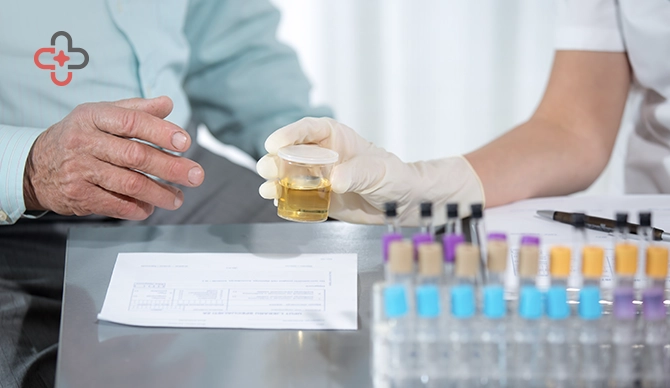
Mucus in urine is a natural bodily secretion, part of the body’s defense system to protect the urinary tract from irritants, bacteria, and other harmful particles. While small amounts of mucus are typically harmless, an increase in its quantity or changes in its appearance could be a sign of an underlying condition. Whether it’s due to an infection, irritation, or a more serious health issue, understanding the causes of mucus in urine and knowing when to seek medical attention is crucial.
In this guide, we’ll explore the common causes of mucus in urine, how to identify abnormal mucus, the symptoms to watch for, and the best treatment options.
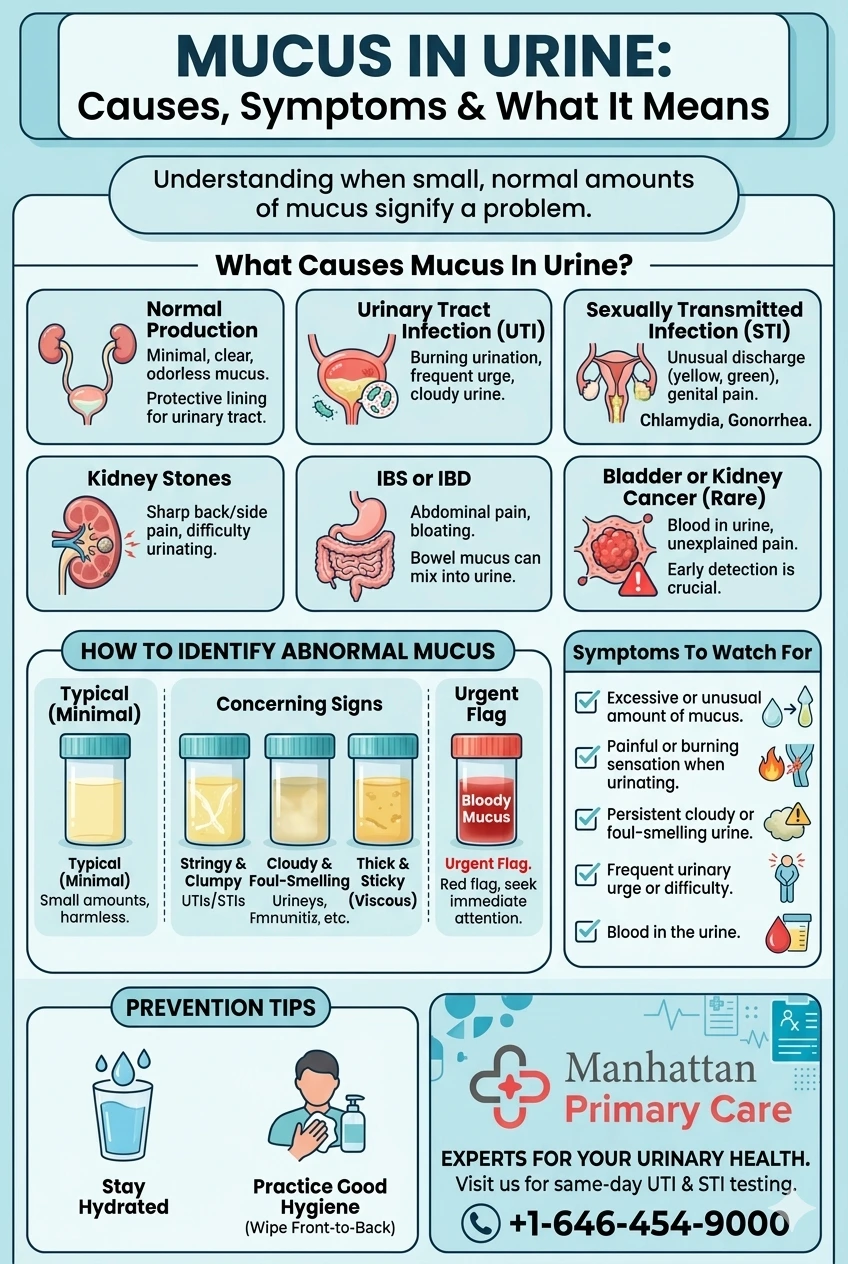
What Causes Mucus In Urine?
Mucus in urine is commonly produced by the urinary tract as a protective barrier. Normally, mucus helps flush out harmful particles and germs, keeping the urinary system functioning properly. However, when mucus production increases or changes in appearance, it can indicate a problem.
Here are some of the most common causes:
Normal Mucus Production
Small amounts of mucus are often a normal occurrence in urine. It’s produced by the lining of the urinary tract and is designed to protect and lubricate the urinary system. In most cases, this mucus is clear, thin, and odorless.
Causes:
- Shedding of urinary tract cells
- Vaginal mucus in females (especially during menstruation, pregnancy, or ovulation)
Urinary Tract Infections (UTIs)
A UTI occurs when bacteria invade the urinary tract, causing inflammation and increased mucus production. UTIs are common, especially in women due to their shorter urethras, making it easier for bacteria to reach the bladder.
Symptoms:
- Burning sensation during urination
- Frequent need to urinate
- Cloudy or foul-smelling urine
- Pain in the lower abdomen
- Blood in the urine
Treatment:
- Antibiotics to treat bacterial infections
- Drinking plenty of water to flush bacteria from the system
Sexually Transmitted Infections (STIs)
STIs like chlamydia and gonorrhea can cause excess mucus in urine. Both of these infections lead to inflammation in the genital and urinary tract, which results in the production of more mucus.
Symptoms:
- Pain during urination
- Unusual discharge (yellow, green, or white)
- Abdominal pain
Treatment:
- Antibiotics prescribed to treat STIs
- Treatment for sexual partners is necessary to prevent re-infection
For immediate STI testing and treatment, consider same-day STD testing at Manhattan Primary Care.
Kidney Stones
Kidney stones are hard deposits that form in the kidneys. When these stones move down the urinary tract, they can cause irritation, triggering mucus production to lubricate the tract. Kidney stones may not always cause symptoms unless they pass through the urinary tract.
Symptoms:
- Sharp pain in the back, sides, or abdomen
- Blood in the urine
- Difficulty urinating
- Nausea and vomiting
Treatment:
- Increased hydration to help pass smaller stones
- Surgical procedures for larger stones, such as lithotripsy (breaking the stones into smaller pieces)
Bladder Or Kidney Cancer
Though rare, mucus in urine can sometimes be a sign of bladder or kidney cancer. This is often accompanied by other symptoms such as blood in the urine or painful urination. Early detection is key to effective treatment.
Symptoms:
- Blood in urine
- Frequent urination
- Abdominal or pelvic pain
- Fatigue or weight loss
Treatment:
- Surgery, chemotherapy, or radiation therapy, depending on the cancer stage
Irritable Bowel Syndrome (IBS) And Inflammatory Bowel Disease (IBD)
Conditions like IBS or ulcerative colitis can lead to increased mucus production in the digestive tract. This mucus can sometimes end up in the urine if it mixes with the contents of the bowel.
Symptoms:
- Abdominal pain
- Bloating
- Diarrhea or constipation
- Mucus in stool and/or urine
Treatment:
- Anti-inflammatory medications
- Dietary modifications to avoid triggering foods
How To Identify Abnormal Mucus In Urine?
While small amounts of mucus are typically normal, changes in the color, quantity, or consistency of mucus in urine can indicate a health issue.
Here’s what to look for:
- Stringy or clumpy mucus: This could be a sign of an infection, such as a UTI or STI.
- Cloudy or discolored urine: This could indicate pus, bacteria, or blood in the urine, common with UTIs or kidney stones.
- Thick, sticky mucus: Thick mucus that causes the urine to appear viscous can indicate a more serious infection or health issue.
- Bloody mucus: The presence of blood mixed with mucus in urine is a red flag for UTIs, kidney stones, or even bladder cancer.
When To Seek Medical Attention
If you notice any of the following symptoms, it’s time to consult a healthcare provider:
- Excessive mucus production or changes in mucus appearance
- Painful urination, burning sensation, or blood in urine
- Frequent urination or difficulty urinating
- Persistent cloudy or foul-smelling urine
A urinalysis (a simple urine test) is usually the first step in diagnosing the cause of abnormal mucus in urine. Additional tests may include microscopic examination, urine cultures, or imaging scans for kidney stones.
Treatment For Mucus In Urine
The treatment for mucus in urine depends on the underlying cause:
- UTIs: Treated with antibiotics, along with increased hydration.
- Kidney Stones: Smaller stones can be passed naturally with adequate hydration, while larger stones may require surgical intervention.
- STIs: Treated with antibiotics, and both partners need treatment.
- Cancer: Treatment may involve surgery, chemotherapy, or radiation.
- IBS/IBD: Managed with anti-inflammatory medications and dietary adjustments.
Prevention Tips To Reduce Mucus In Urine
Preventing conditions that lead to mucus in urine can be achieved through these practices:
- Stay hydrated: Drinking plenty of water helps flush out toxins and prevent infections.
- Practice good hygiene: Wipe front to back to prevent bacteria from entering the urinary tract.
- Urinate after sexual activity: This helps prevent the introduction of bacteria.
- Avoid irritants: If you have IBS or IBD, avoid foods that trigger symptoms (e.g., spicy foods, caffeine).
- Regular check-ups: Routine visits to your healthcare provider can catch infections early before they lead to complications.
Conclusion
Mucus in urine, while often normal in small amounts, can sometimes be a sign of underlying health conditions such as infections, kidney stones, or even more serious diseases like bladder cancer. Understanding the causes and symptoms of mucus in urine can help you make informed decisions about your health.
If you experience persistent or unusual mucus in your urine, it is important to consult a healthcare professional for a proper diagnosis and treatment plan. At Manhattan Primary Care, our team is here to support you with expert care and personalized advice to address any urinary concerns you may have.
Frequently Asked Questions
Is mucus in urine always a sign of infection?
No, small amounts of mucus in urine are typically harmless and part of the body’s natural defense mechanism. However, excessive mucus may indicate an infection or other conditions.
What does stringy mucus in urine mean?
Stringy mucus can be a sign of a UTI, STI, or kidney stones, and should be evaluated if it’s accompanied by other symptoms like pain or blood in the urine.
Can dehydration cause mucus in urine?
Yes, dehydration can lead to concentrated urine, which may irritate the urinary tract and increase mucus production.
When should I see a doctor for mucus in urine?
If you notice excessive mucus, blood in urine, or symptoms like painful urination or frequent urination, it’s important to see a doctor for diagnosis and treatment.
Sources
- Medical News Today – What can you do about mucus in the urine?
- Tua Saúde – Mucus in Urine: 7 Possible Causes (& What to Do)
- Health Matters – What Does Mucus In Urine Mean?
- Health Line – Why Is There Mucus in My Urine?
- Manhattan Medical Arts – Understanding Mucus in Urine: A Comprehensive Guide
- Verywell Health – Is Mucus in Urine Normal or Abnormal?
Disclaimer
This blog is for informational & educational purposes only and does not intend to substitute any professional medical advice or consultation. For any health-related concerns, please consult with your physician, or call 911.
 492 6th Avenue New York, NY 10011
 +1-646-454-9000
 Hours of Operation


