
 Last updated: January 14, 2026
 11 min read
Starting Zepbound (tirzepatide) can come with temporary digestive changes, most commonly nausea, diarrhea, or constipation, especially during the first few weeks or after a dose increase. If you’re wondering how long do Zepbound side effects last, the answer for most people is: days to a few weeks, with steady improvement as the body adjusts.
This guide explains why side effects happen, when they tend to start, how long they usually last by symptom, and practical, evidence-based ways to feel better, plus when to call your doctor.
For personalized coaching and follow-up, explore our weight management services in Manhattan,NYC.
What Is Zepbound and How Does It Work?
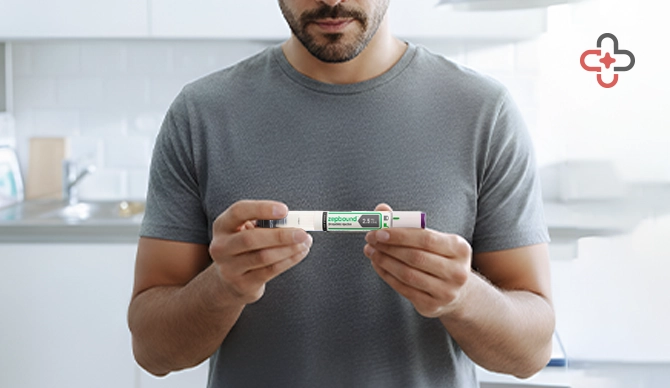
Zepbound is the brand name for tirzepatide, a once-weekly injectable medication approved for chronic weight management in adults who meet specific criteria. It works by mimicking two naturally occurring gut hormones:
- GLP-1 (glucagon-like peptide-1)
- GIP (glucose-dependent insulinotropic polypeptide)
In simple terms, Zepbound helps with weight loss by:
- Reducing appetite and cravings
- Helping you feel full sooner and longer
- Slowing stomach emptying, so food moves more gradually through your digestive tract
- Improving blood sugar regulation and insulin sensitivity
Why GI side effects are common
That “slower stomach emptying” effect is also the main reason gastrointestinal (GI) symptoms happen, especially early on or after dose increases.
How long does it take for Zepbound to work?
Many patients notice appetite changes within the first 1–2 weeks, but meaningful weight loss usually becomes more noticeable over 4–12 weeks, especially as the dose is gradually increased.
When Do Zepbound Side Effects Start?
A common question is: when do Zepbound side effects start?
Most people notice side effects:
- Within the first few days after the first injection, or
- After a dose increase (this is very common)
Why titration matters
Zepbound is typically started at a low dose and increased gradually over time. This slow “titration” helps your body adapt and reduces the intensity of side effects.
Common Zepbound Side Effects
If you’re wondering what are the side effects of Zepbound, these are the ones most commonly reported especially early in treatment:
| Side effect | What it may feel like | Typical timing |
| Nausea | Queasy stomach, reduced appetite | Early (first weeks) or after dose increases |
| Diarrhea | Loose stools, urgency | Early (first weeks) |
| Constipation | Hard stools, fewer bowel movements | Often after appetite decreases |
| Fatigue | Low energy, tiredness | Early adjustment phase |
| Headaches | Mild to moderate headaches | Often related to hydration/food intake |
| Injection-site reaction | Redness, itching, soreness | Within 1–3 days of injection |
These are generally considered common, expected side effects of Zepbound and most improve with time.
How Long Do Zepbound Side Effects Last?
The most searched question is: how long do Zepbound side effects last?
In clinical practice, the pattern is usually:
- Most common side effects last days to a few weeks
- Side effects can return temporarily after dose increases
- For many people, symptoms improve significantly by weeks 4–8
Below is a symptom-by-symptom breakdown.
Digestive Side Effects: Nausea, Diarrhea, Constipation
Digestive effects are the most common side effects from Zepbound.
Nausea
- Often begins within 24–72 hours after injection
- Typically improves within a few days to 2 weeks
- May reappear briefly after increasing the dose
Zepbound and diarrhea
If you’re dealing with Zepbound and diarrhea, it usually:
- Starts in the first 1–2 weeks
- Improves within 3–7 days for many people
- May last up to a few weeks in some cases, especially after dose changes
Does Zepbound cause constipation?
Yes, Zepbound can cause constipation, often because:
- You’re eating less overall
- Food moves more slowly through the gut
- Hydration may drop if nausea reduces fluid intake
Constipation may last longer than nausea or diarrhea, but usually improves over 2–6 weeks with targeted strategies (see below).
Fatigue and Body Aches
Does Zepbound make you tired? or does Zepbound cause fatigue?
Fatigue can happen, especially early on, due to:
- Lower calorie intake
- Reduced carbs/sugars
- Dehydration
- Your body adapting to metabolic changes
Typical duration:
- Often improves within 1–3 weeks
- Can return briefly after dose increases
Does Zepbound cause body aches?
Some people report mild body aches, especially if they’re eating less, sleeping poorly, or not getting enough protein. If aches are significant or persistent, it’s worth discussing with your clinician.
Headaches
Patients often ask: does Zepbound cause headaches?
It can most commonly due to:
- Dehydration
- Skipping meals
- Low calorie intake
- Electrolyte imbalance
Typical duration:
- Often improves within 1–2 weeks
- May improve sooner with hydration and steady nutrition
Zepbound Injection-Site Reaction
A Zepbound injection site reaction can include:
- Mild redness
- Itching
- Soreness
- A small bump under the skin
Typical duration:
- Usually resolves within 1–3 days
Rotating injection sites (abdomen, thigh, upper arm) is one of the best ways to reduce irritation.
How Long Does Zepbound Stay in Your System?
Because Zepbound can affect appetite, hydration, and metabolism, it’s smart to keep an eye on key health markers especially if you have diabetes, high blood pressure, high cholesterol, or other metabolic concerns. Manhattan Primary Care offers convenient lab services and chronic disease management support to help you stay safe and on track.
If you’re wondering how long does Zepbound stay in your system, it helps to know that tirzepatide has a long half-life (about 5 days).
That means:
- The medication builds up gradually with weekly dosing
- It can take about 25–30 days (roughly 5 half-lives) to mostly clear after your last dose
This is also why side effects can sometimes linger for a short period after stopping, especially GI symptoms.
Does Zepbound Cause Insomnia or Mood Changes?
Does Zepbound cause insomnia?
Insomnia isn’t one of the most common listed effects, but some people do notice sleep changes indirectly due to:
- Eating less or eating too late
- Nausea or reflux at night
- Stress/anxiety about side effects
If insomnia appears, it often improves as your body adjusts.
Zepbound and depression
Some people ask about Zepbound and depression. While mood changes are not among the most common effects, any new or worsening:
- Persistent sadness
- Hopelessness
- Anxiety
- Irritability
- Loss of interest
Should be taken seriously. If you notice these, contact our healthcare provider promptly. If you’d like additional support, Manhattan Primary Care can help with screening and treatment through our mental health services.
Some people ask about Zepbound and depression. While mood changes are not among the most common effects, any new or worsening:
- Persistent sadness
- Hopelessness
- Anxiety
- Irritability
- Loss of interest
Should be taken seriously. If you notice these, contact our healthcare provider promptly.
Tips to Reduce Zepbound Side Effects
If side effects are making it hard to eat, hydrate, or function normally, you don’t have to figure it out alone. Manhattan Primary Care offers both in-office visits and convenient follow-ups through telehealth services so you can get timely coaching and dose guidance.
Here are the most effective strategies we recommend in clinical practice.
1) Eat smaller, slower meals
Large meals can intensify nausea and reflux. Instead:
- Choose smaller portions
- Eat slowly
- Stop eating when you feel “comfortably full”
2) Avoid high-fat or greasy foods early on
High-fat meals can worsen nausea and diarrhea especially in the first few weeks.
3) Prioritize hydration (and electrolytes if needed)
Hydration helps prevent:
Aim for steady fluids throughout the day. If diarrhea is present, consider an electrolyte drink (low sugar if possible).
4) Don’t skip protein
Adequate protein helps reduce fatigue and protects lean muscle during weight loss.
Simple options include:
- eggs
- Greek yogurt
- lean poultry/fish
- tofu
- protein shakes (if tolerated)
5) Build fiber gradually (for constipation)
If constipation is your main symptom:
- Increase fiber slowly
- Add fruits/vegetables, oats, chia/flax
- Consider a gentle fiber supplement if needed
6) Time your injection thoughtfully
Some people feel best injecting:
- before a weekend
- in the evening
This can help you manage early-day nausea or fatigue when your schedule is lighter.
7) Use proper injection technique
To reduce injection site reactions:
- rotate sites weekly
- avoid injecting into irritated skin
- let alcohol dry before injecting
- don’t rub the area afterward
Weight Loss Timeline and Side Effects
Patients often ask:
- How fast do you lose weight on Zepbound?
- How long does it take for Zepbound to work?
Many people notice:
- Appetite changes within 1–2 weeks
- Early weight changes within 2–4 weeks
- More consistent loss as doses increase over 8–16+ weeks
Zepbound weight loss side effects
Sometimes side effects happen because you’re unintentionally eating too little. If symptoms are significant, the goal is not to “push through” but to adjust your nutrition, hydration, and dosing plan with our clinician.
Does Zepbound Help With Inflammation?
A growing area of research suggests GLP-1/GIP therapies may reduce inflammation indirectly by:
- improving insulin resistance
- lowering visceral fat
- improving metabolic markers
So while Zepbound is not prescribed specifically as an “anti-inflammatory,” some people may see improvements in inflammation-related markers as weight and metabolic health improve.
How Long Can You Take Zepbound Safely?
Zepbound is intended for long-term weight management when it is effective, well tolerated, and medically appropriate. Long-term success is best when combined with:
- nutrition support
- activity habits
- sleep and stress optimization
- regular medical monitoring
To protect your long-term health while you lose weight, Manhattan Primary Care can also support you with preventive care including risk-factor screening and personalized prevention planning.
Your provider should monitor for side effects and adjust your dose if needed. Long-term success is best when combined with:
- nutrition support
- activity habits
- sleep and stress optimization
- regular medical monitoring
Your provider should monitor for side effects and adjust your dose if needed.
When Side Effects Are Concerning (Red Flags)
While most symptoms are manageable, contact our clinician right away if you have:
- Severe or persistent vomiting
- Persistent diarrhea causing dehydration
- Severe abdominal pain (especially with back pain)
- Signs of dehydration (fainting, confusion, very dark urine)
- Allergic reaction symptoms (swelling of face/lips, hives, trouble breathing)
- New or worsening mood symptoms
When To Call A Doctor
Consider reaching out if:
- Symptoms last beyond 4–6 weeks without improvement
- Side effects are severe enough that you can’t eat or drink normally
- Side effects return strongly after a dose increase
- You’re worried about sleep changes, anxiety, or depression
Sometimes the solution is as simple as:
- slowing the titration schedule
- staying at a lower dose longer
- adding supportive care strategies
Conclusion
So, how long do Zepbound side effects last? For most people, common symptoms like nausea, diarrhea, constipation, fatigue, or headaches are most noticeable in the first few weeks and improve significantly as the body adjusts, especially with gradual dose increases and practical side-effect management.
If you’re starting Zepbound or struggling with side effects, a personalized plan can make a huge difference.
At Manhattan Primary Care, our team can help you:
- Decide if Zepbound is right for you
- Build a sustainable weight-loss plan
- Manage side effects safely
- Monitor your progress with medical oversight
If you’d like guidance, schedule a visit (in-office or telehealth) to talk through your options.
Frequently Asked Questions
What if I miss a Zepbound dose?
Take it within 96 hours. If it’s been more than 96 hours, skip it and take your next dose on your usual day don’t double up.
Can I drink alcohol while taking Zepbound?
Limit or avoid alcohol early on. It can worsen nausea and dehydration and may increase low-blood-sugar symptoms especially if you drink on an empty stomach.
Can Zepbound interact with other medications?
It can slow absorption of some oral meds. Review your medication list with your clinician, especially for time-sensitive prescriptions.
Who should avoid Zepbound or use extra caution?
Use extra caution (or avoid) with a personal/family history of medullary thyroid cancer or MEN2, or a history of pancreatitis, gallbladder disease, or severe GI disease. Tell your clinician if you’re pregnant, breastfeeding, or planning pregnancy.
If you’re unsure what applies to you, contact Manhattan Primary Care for individualized guidance.
Sources
- Medical News Today – Zepbound side effects and how to manage them
- Drugs – How long do Zepbound side effects typically last?
- Manhattan Medical Arts – How long do Zepbound side effects last? What to Expect, and When to Call a Doctor
- Health Grades – Side Effects of Zepbound (Tirzepatide) and Tips For Coping
- Doctronic – How Long Zepbound Side Effects Last?
Disclaimer
This blog is for informational & educational purposes only and does not intend to substitute any professional medical advice or consultation. For any health-related concerns, please consult with your physician, or call 911.
 492 6th Avenue New York, NY 10011
 +1-646-454-9000
 Hours of Operation


