
 Last updated: December 17, 2025
 8 min read
Getting diagnosed with fatty liver disease can be unsettling. Many people immediately worry about liver failure, shortened lifespan, or whether the condition will inevitably get worse. The good news is that life expectancy with fatty liver disease is often normal, especially when it’s caught early through an annual physical exam and managed properly.
In this guide, we’ll break down what fatty liver disease is, how it progresses, how prognosis changes by stage, and most importantly, what you can do to protect your liver and your long-term health with the support of a trusted primary care provider like Manhattan Primary Care.
What Is Fatty Liver Disease?
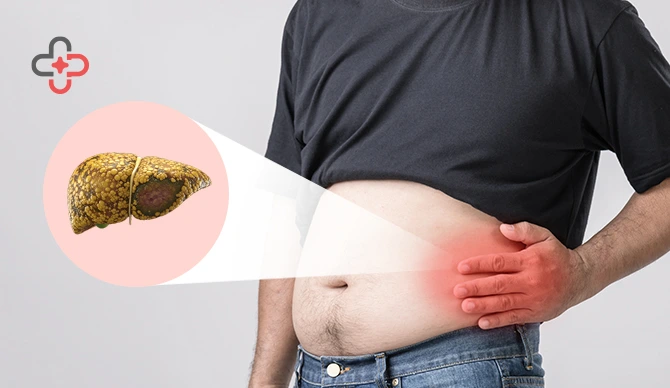
Fatty liver disease occurs when excess fat builds up inside liver cells. While a small amount of fat in the liver is normal, problems can develop when fat accounts for more than about 5–10% of the liver’s weight.
Types of Fatty Liver Disease
Fatty liver disease is broadly categorized based on whether alcohol use is a contributing factor.
Nonalcoholic Fatty Liver Disease (NAFLD / MASLD)
This is the most common form and is not caused by alcohol. It’s closely linked to metabolic conditions such as:
- Overweight or obesity
- Type 2 diabetes
- High cholesterol or triglycerides
- High blood pressure
NAFLD is extremely common, affecting roughly 1 in 4 adults worldwide, and many people don’t realize they have it.
Alcohol-Related Fatty Liver Disease
This type is caused by excessive alcohol use. Alcohol interferes with how the liver processes fats, leading to fat accumulation and inflammation.
What Is NASH?
Some people with fatty liver develop nonalcoholic steatohepatitis (NASH), a more aggressive form of the disease. NASH involves liver inflammation and cell damage, which increases the risk of scarring (fibrosis) and cirrhosis.
Understanding whether fatty liver is simple fat buildup or inflammatory disease is key to determining the long-term outlook.
Fatty Liver Disease Symptoms
In its early stages, fatty liver disease often causes no noticeable symptoms. That’s why it’s frequently discovered during routine blood work or imaging.
Progression from early fatty liver to cirrhosis typically takes many years or decades, not months, especially when detected early through preventive visits and regular health screenings.
- Persistent fatigue
- Mild discomfort or pressure in the upper right abdomen
- Elevated liver enzymes on blood tests
- Low energy or brain fog
As disease progresses, symptoms may become more pronounced, making early diagnosis especially important.
How Fatty Liver Disease Progresses
Fatty liver disease usually progresses slowly, and not everyone moves through every stage.
Stage 1: Simple Steatosis
- Fat accumulation without inflammation
- No permanent liver damage
- Often reversible with lifestyle changes
Stage 2: Inflammation (Steatohepatitis)
- Fat plus liver inflammation
- Higher risk of progression
- Still commonly reversible
Stage 3: Fibrosis
- Scar tissue begins to form
- Liver function is usually preserved
- Risk of complications increases
Stage 4: Cirrhosis
- Extensive scarring replaces healthy liver tissue
- Liver function becomes impaired
- Serious complications can occur
Progression from early fatty liver to cirrhosis typically takes many years or decades, not months.
Life Expectancy With Fatty Liver Disease by Stage
Life expectancy varies based on how advanced the disease is and how well risk factors are managed over time.
Stage 1 (Mild Fatty Liver)
This stage is most often identified during routine checkups such as annual wellness visits.
Stage 1 fatty liver disease life expectancy is essentially normal. Most people never progress beyond this stage.
- Excellent long-term outlook
- Highly reversible
- Low risk of liver-related complications
Stage 2
Stage 2 fatty liver disease life expectancy remains very good with proper care.
- Inflammation raises risk slightly
- Weight loss and metabolic control are highly effective
- Many patients improve or reverse their disease
Stage 3
Stage 3 fatty liver disease life expectancy depends on how well risk factors are managed.
- Increased risk of progression
- Close monitoring is essential
- Progression can often be slowed or stopped
Stage 4 (Cirrhosis)
Stage 4 fatty liver disease life expectancy varies widely.
- Some people live many years with stable disease
- Risk of liver failure, bleeding, and liver cancer increases
- Outcomes improve significantly with early detection and specialist care
NAFLD vs NASH: Prognosis Differences
NAFLD life expectancy is generally excellent when inflammation and scarring are absent.
NASH liver disease life expectancy is lower than simple fatty liver because:
- Chronic inflammation accelerates scarring
- Risk of cirrhosis is higher
- Cardiovascular disease risk increases
That said, NASH is still manageable, especially when diagnosed before advanced fibrosis develops.
Factors That Affect Life Expectancy
Several factors strongly influence fatty liver disease prognosis:
- Diabetes: Fatty liver and diabetes worsen each other
- Obesity: Even modest weight loss improves liver health
- Alcohol use: Can accelerate liver damage
- Cardiovascular disease: The leading cause of death in people with fatty liver
- Physical inactivity
Managing these factors can dramatically improve outcomes.
Can Fatty Liver Disease Cause Sudden Death?
Sudden death from fatty liver disease is rare. When it does occur, it’s usually related to advanced complications such as:
- Cirrhosis-related bleeding
- Severe infections
- Liver cancer
- Heart disease
With regular monitoring and preventive care, the vast majority of people with fatty liver will never face these outcomes.
How Long Can You Live With Fatty Liver Disease?
Many people wonder, “How long can you live with fatty liver disease?” For most individuals, the answer is reassuring:
- Life expectancy is often near normal
- Liver-related death is uncommon
- Early diagnosis greatly improves outcomes
Prognosis is individualized and depends on disease stage, metabolic health, and long-term follow-up.
Treatment for Fatty Liver Disease
At Manhattan Primary Care, treatment for fatty liver disease focuses on addressing the root causes, preventing progression, and supporting long-term liver and metabolic health.
There is no single medication that cures fatty liver disease, but treatment is highly effective.
Key Treatment Strategies
At Manhattan Primary Care, treatment focuses on evidence-based, sustainable interventions:
- Weight loss: Losing 7–10% of body weight can reverse fatty liver, especially when supported through a structured weight management.
- Diet: Mediterranean-style eating patterns support liver health
- Exercise: Improves liver fat even without major weight loss
- Metabolic control: Managing diabetes, cholesterol, and blood pressure through chronic disease management is critical for long-term liver health.
Medications may be recommended to manage underlying conditions or, in select cases, to treat NASH.
How to Improve Prognosis and Longevity
To improve fatty liver life expectancy, Manhattan Primary Care emphasizes a preventive, whole-person approach:
- Maintain regular medical follow-ups through preventive care visits
- Monitor liver enzymes and metabolic markers
- Limit or avoid alcohol
- Stay physically active
- Address nutrition, sleep, and stress
Small, consistent changes can have a powerful impact over time.
When To See A Doctor
Early evaluation makes a meaningful difference. At Manhattan Primary Care, fatty liver disease is commonly identified during routine physicals, preventive screenings or chronic condition management visits.
You should seek medical care if you have:
- Persistently elevated liver enzymes
- Ongoing fatigue or abdominal discomfort
- Diabetes or metabolic syndrome
- A known fatty liver diagnosis without follow-up
Urgent evaluation is needed for symptoms such as jaundice, abdominal swelling, confusion, or easy bruising. Virtual follow-ups and counseling may also be available through telehealth services when appropriate.
Conclusion
Fatty liver disease is common, often silent, and frequently reversible. While advanced stages can be serious, most people, especially when diagnosed early, maintain a normal or near-normal life expectancy.
With proactive lifestyle changes, regular monitoring, and personalized care from Manhattan Primary Care, fatty liver disease can often be slowed, stopped, or even reversed, helping protect your long-term liver health and overall wellbeing.
Frequently Asked Questions
Can fatty liver disease affect medications you take?
Yes. It can affect how some medications are processed, which may require dose adjustments or closer monitoring.
Does fatty liver disease increase the risk of other liver conditions?
Yes. Advanced fatty liver disease can increase the risk of cirrhosis or liver cancer, though early management greatly reduces this risk.
How often should fatty liver disease be re-evaluated?
Many people benefit from follow-up labs every 6–12 months, depending on disease stage and risk factors.
How long can you live with liver failure?
It varies widely. Survival depends on severity, cause, and treatment, and early medical care can significantly improve outcomes.
What happens when your liver fails?
The liver can no longer filter toxins or support vital functions, leading to fluid buildup, confusion, bleeding issues, and higher infection risk.
How long can you live with cirrhosis of the liver?
Many people live for years with stable cirrhosis. Life expectancy depends on disease stage, complications, and overall health.
Sources
- Medical News Today – Fatty liver disease and life expectancy
- Mayo Clinic – Fatty liver disease (MASLD)
- Heritage Hospitals – Is Grade 2 Fatty Liver Dangerous?
- Health Grades – How fatty liver disease can affect life expectancy
- UBIE Health – What is the life expectancy for stage 3 and stage 4 cirrhosis?
- Doctors Hospital of Laredo – Can Fatty Liver Disease Affect How Long You Live?
Disclaimer
This blog is for informational & educational purposes only and does not intend to substitute any professional medical advice or consultation. For any health-related concerns, please consult with your physician, or call 911.
 492 6th Avenue New York, NY 10011
 +1-646-454-9000
 Hours of Operation


