
 Last updated: February 11, 2026
 9 min read
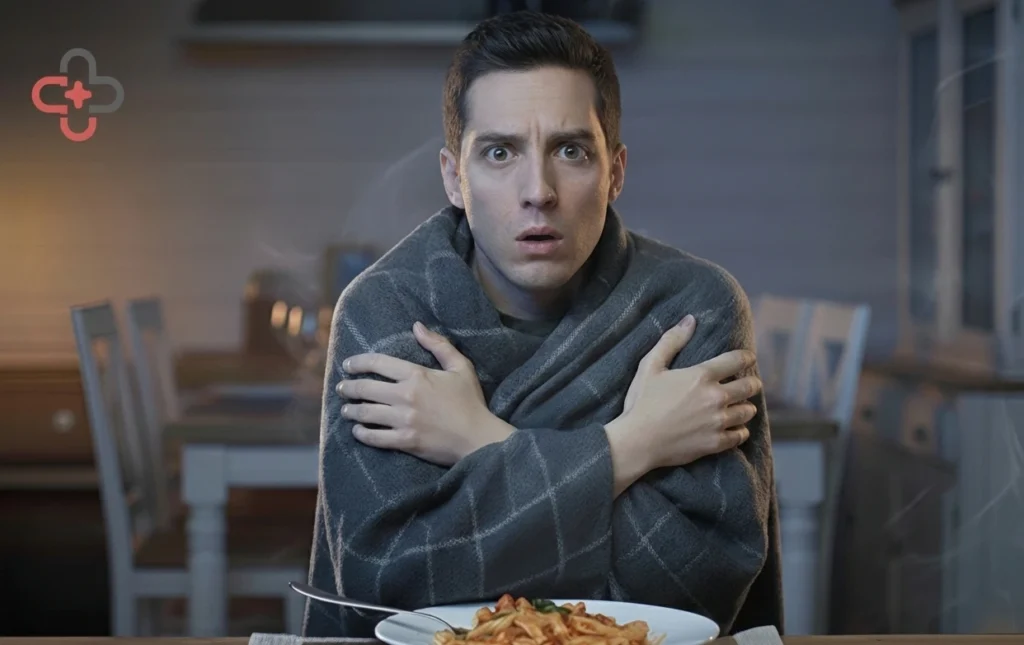
Feeling cold after eating is a common experience that many people have at one time or another. It can range from mild discomfort to an unsettling chill. But is it a normal response to digestion, or could it be an indication of something more serious? Understanding the underlying causes of this sensation can help you determine when it’s simply a normal part of your body’s digestive process, and when it might require further investigation.
In this article, we’ll explore why some people feel cold after eating, potential causes behind this sensation, and how to address it. Whether it’s a normal part of digestion or a sign of an underlying condition, we’ll guide you through the steps to take to keep your body warm and healthy.
If you’ve been experiencing persistent cold feelings after meals, Manhattan Primary Care is here to help you understand the cause and determine the best course of action.
Understanding Your Body’s Thermoregulation System
Your body is equipped with a sophisticated system that regulates its internal temperature. This system, called thermoregulation, is crucial for keeping your body within a safe, optimal temperature range, typically around 98.6°F (37°C). When you eat, your body diverts blood to the digestive system to help break down food. This shift in circulation can sometimes cause temporary changes in how warm you feel.
How Digestion Affects Body Temperature?
When you eat, the process of digestion requires energy, which produces heat. However, the process also causes your body to redirect blood flow away from your extremities (like your hands and feet) toward the digestive organs. This reduction in circulation to your limbs can lead to sensations of feeling cold or even chills in certain situations.
Normal Reasons for Feeling Cold After Eating
Feeling cold after eating can often be a temporary and harmless response to your body’s natural digestive processes and food choices.
Digestive Processes and Their Impact on Circulation
After you eat, your body works hard to digest the food. The digestive process requires energy and can produce mild shifts in circulation. Blood is directed to your digestive organs, which may cause temporary feelings of being cold in your hands, feet, and other peripheral areas of your body. This is completely normal and is often a transient response.
Hormonal Responses After Meals
Another reason you might feel cold after eating is due to the hormonal changes triggered during digestion. Your body releases certain hormones in response to food intake, which helps regulate energy use and temperature control. These hormones can cause a slight dip in your core temperature, making you feel cold, especially after larger or heavier meals.
A preventive care check-up can assess your overall health and ensure these hormonal shifts aren’t tied to any underlying imbalances.
Larger Meals and Protein or Carbohydrate Intake
Consuming large meals or foods that are rich in protein or carbohydrates can lead to a temporary decrease in body temperature. These foods require more energy to digest, which diverts blood flow to the stomach and intestines and can contribute to a cold sensation in your body.
When Cold After Eating is a Health Concern?
While it’s normal for some individuals to feel cold after meals, persistent or extreme cold sensations can sometimes indicate an underlying health issue. If you experience a cold after eating frequently or in combination with other symptoms, it’s important to consider potential health conditions that could be affecting your body’s thermoregulation.
Hypothyroidism
One of the most common medical causes of feeling cold after eating is hypothyroidism. This condition occurs when your thyroid doesn’t produce enough thyroid hormone, which plays a significant role in regulating metabolism and body temperature. People with hypothyroidism often feel cold, especially in the extremities. If you frequently experience cold hands, feet, or chills after eating, along with other symptoms like fatigue, weight gain, and dry skin, hypothyroidism may be worth discussing with your healthcare provider.
Low Blood Sugar (Hypoglycemia)
A sudden drop in blood sugar, also known as hypoglycemia, can cause chills, shivering, and cold sweats after eating. This is particularly common in individuals who have diabetes or those who skip meals or eat irregularly. Low blood sugar can cause the body to release stress hormones like adrenaline, which can lead to cold sensations and shaking.
If you suspect this may be the cause of your symptoms, chronic disease management can help you monitor your blood sugar levels and create a plan to stabilize them, ensuring better overall health.
Autonomic Nervous System Imbalance
The autonomic nervous system (ANS) regulates your body’s involuntary functions, including temperature control. Stress, digestive issues, or imbalances in the ANS can cause unusual temperature fluctuations, including cold feelings after eating. If you experience other symptoms of autonomic dysfunction, such as dizziness, irregular heart rate, or digestive issues, it’s important to speak with a healthcare provider for a thorough evaluation.
Other Possible Causes of Cold After Eating
In some cases, feeling cold after meals could be related to factors such as food sensitivities, circulation issues, or metabolic changes.
Eating Cold Foods or Beverages
If you’ve consumed particularly cold foods or beverages, it’s not uncommon to experience a temporary chill. Cold items like ice cream, chilled drinks, or frozen foods can lower your body temperature, making you feel cold for a short time. This is typically a harmless sensation and should pass once your body adjusts.
If you’re worried about other food sensitivities or allergies, allergy testing can help identify any foods that may be contributing to uncomfortable reactions.
Blood Pressure and Circulation Issues
Low blood pressure or poor circulation can contribute to feelings of cold after eating. If your blood pressure is naturally low or you have circulatory issues, you may feel cold more easily, especially after meals when your body is focusing its energy on digestion.
Fasting and Metabolism
Fasting or consuming a low-calorie meal can cause your body to react with a cold sensation, especially once you begin eating again. When you’re fasting, your body becomes accustomed to conserving energy, and eating can create a sudden shift in metabolism that causes you to feel cold. If you are experiencing chills after eating following a period of fasting, this might be why. Our weight management services can help guide you in healthy fasting or meal planning strategies, ensuring your body remains in balance.
Managing and Reducing the Cold Feeling After Eating
While some degree of coldness after meals is normal, here are a few tips to reduce or manage the feeling:
- Eat Smaller, Balanced Meals: Large meals, especially those rich in protein or carbohydrates, can cause a greater shift in blood flow to the digestive organs. Smaller, more balanced meals can prevent excessive temperature changes.
- Avoid Cold Foods and Beverages: If you’re particularly sensitive to cold after meals, try to avoid ice-cold drinks or frozen foods that can lower your body temperature.
- Layer Up: If you often feel cold after eating, wearing warm clothing or adding a blanket while resting can help you stay comfortable.
- Stay Hydrated: Drink warm beverages or soups to help maintain your body temperature after meals.
When To Seek Medical Attention
While occasional cold sensations after eating are typically not a cause for concern, you should seek medical attention if:
- You frequently experience cold sensations after eating, especially if they are accompanied by other symptoms like fatigue, dizziness, or weight changes.
- You suspect an underlying condition like hypothyroidism, diabetes, or circulatory issues.
- The cold feeling is severe or lasts for a prolonged period.
If you’re experiencing any of these symptoms, it’s always a good idea to schedule an appointment with a healthcare provider, such as those at Manhattan Primary Care, to ensure that everything is functioning as it should.
Conclusion
In most cases, feeling cold after eating is a normal part of the digestive process. Your body is simply responding to the increased blood flow to your digestive organs and the hormonal changes that occur after meals. However, if you’re experiencing frequent or severe cold sensations after eating, it could be a sign of an underlying condition like hypothyroidism or low blood sugar. Pay attention to your body’s signals, and don’t hesitate to consult a healthcare provider if you’re concerned.
By staying aware of your digestive health and managing factors like meal size, food choices, and overall wellness, you can help reduce the likelihood of feeling cold after eating and ensure that your body remains balanced and healthy. If you ever need guidance or a professional evaluation, the experts at Manhattan Primary Care are here to help.
Frequently Asked Questions
Can feeling cold after eating be related to my diet?
Yes, large meals or cold foods can lower your body temperature temporarily, especially if they require more energy to digest.
Does stress affect my body’s temperature after eating?
Yes, stress can overstimulate your autonomic nervous system, leading to unusual temperature changes like feeling cold after meals.
How does my body use energy to stay warm after eating?
Digestion redirects blood to the digestive organs, which can temporarily reduce circulation to your extremities, causing feelings of cold.
Is it common to feel cold after eating during winter?
Yes, winter’s cold temperatures can make you more aware of feeling chilly after eating, especially if your circulation is already slow.
Can feeling cold after eating be a sign of poor metabolism?
Yes, conditions like hypothyroidism can slow metabolism, making you more sensitive to cold after meals, especially with symptoms like fatigue or weight changes.
Sources
- Health Line – Is It Normal to Feel Cold After Eating?
- WellMed Healthcare – 5 reasons why you’re cold after eating
- Manhattan Medical Arts – Why Do I Get Cold After I Eat?
- CPR First Aid – Reasons Why You Feel Cold After Eating
- Unity Point Health – Why Am I Cold All the Time? 11 Underlying Causes of Cold Intolerance
Disclaimer
This blog is for informational & educational purposes only and does not intend to substitute any professional medical advice or consultation. For any health-related concerns, please consult with your physician, or call 911.
 492 6th Avenue New York, NY 10011
 +1-646-454-9000
 Hours of Operation


