
 Last updated: January 30, 2026
 8 min read
Vaginal health is an important aspect of overall well-being, and many women experience vaginal yeast infections at some point in their lives. Although these infections are common, they often cause worry and confusion. Understanding what yeast infections are, how they occur, and how to prevent and treat them can help you feel more in control and empowered when managing your health.
What Is A Yeast Infection?
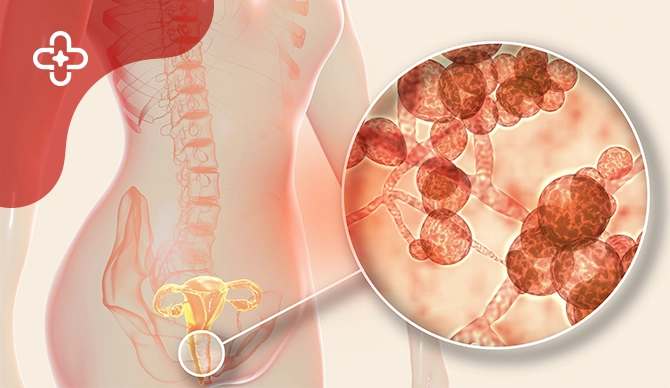
A vaginal yeast infection, also known as vaginal candidiasis, occurs when there’s an overgrowth of the fungus Candida in the vagina. Candida is a naturally occurring yeast in the body, particularly in areas like the mouth, skin, and vagina. However, an imbalance in the vaginal flora can lead to the overgrowth of this fungus, causing symptoms like itching, irritation, and abnormal discharge.
The vagina is home to a variety of microorganisms, including bacteria that help keep yeast in check. When this balance is disrupted, Candida can multiply and lead to infection. It’s important to note that yeast infections are not sexually transmitted but can be triggered or worsened by sexual activity.
Common Symptoms Of A Yeast Infection
A yeast infection can cause a variety of symptoms, some of which can be quite uncomfortable.
The most common symptoms include:
- Itching and irritation around the vaginal area.
- Thick, clumpy discharge that often resembles cottage cheese.
- Redness and swelling of the vaginal tissues.
- Pain during intercourse or urination.
If you experience any of these symptoms, it’s important to seek treatment to relieve discomfort and prevent the infection from worsening. At Manhattan Primary Care, we provide compassionate care and personalized treatment to ensure you get the relief you need.
What Causes Yeast Infections?
Several factors can contribute to the overgrowth of Candida in the vagina, leading to a yeast infection.
Some of the most common causes include:
- Antibiotic use: Antibiotics can kill the “good” bacteria that help control yeast growth, leading to an imbalance in the vaginal flora.
- Hormonal changes: Pregnancy, birth control, or menstruation can alter hormone levels, making you more susceptible to yeast infections.
- High sugar diets and diabetes: Excess sugar can fuel yeast growth, making infections more likely, especially in people with diabetes.
- Immunosuppression: Conditions that weaken the immune system, such as chemotherapy or HIV, can make it harder for the body to keep Candida under control.
- Tight clothing and poor ventilation: Wearing tight-fitting clothing or synthetic underwear can create a warm, moist environment where yeast thrives.
Can Yeast Infections Be Spread? Are They Contagious?
Yeast infections are not sexually transmitted. However, sexual activity may trigger symptoms or cause irritation, especially if you’re already susceptible to yeast infections. It’s important to note that Candida can be passed between sexual partners, but it is not considered an STD (sexually transmitted disease).
How To Treat Yeast Infections
Yeast infections are treatable, and the appropriate treatment depends on the severity and frequency of the infection.
Some common treatment options include:
- Over-the-counter antifungal treatments: These include creams, ointments, and suppositories that can help treat mild to moderate yeast infections.
- Prescription antifungal medications: For more persistent or severe infections, a healthcare provider may prescribe oral antifungal medications.
- Vaginal creams, suppositories, or oral tablets: These are typically prescribed for recurring infections and should be used exactly as directed.
If you’re experiencing symptoms of a yeast infection, Manhattan Primary Care offers same-day STD testing to rule out other conditions and ensure an accurate diagnosis.
How Long Do Yeast Infections Last?
With proper treatment, yeast infections typically last 3 to 7 days. If you’re using an over-the-counter treatment, you should begin to notice relief within a couple of days. However, if symptoms persist or worsen after treatment, it’s important to consult a healthcare provider to rule out other causes or receive a more targeted treatment.
How To Prevent Yeast Infections
While it may not always be possible to prevent yeast infections entirely, there are several strategies to reduce your risk:
- Maintain proper hygiene: Avoid douching or using harsh soaps that can irritate the vaginal area. Gentle, unscented products are best.
- Wear breathable, cotton underwear: This helps to reduce moisture and heat, which can encourage yeast growth.
- Change out of wet clothes quickly: This includes swimwear and workout clothes, as moisture can promote yeast overgrowth.
- Limit sugar intake: High sugar levels can feed yeast, so it’s important to monitor your diet.
- Use condoms during sexual activity: This can help reduce the likelihood of transferring Candida during sex.
Manhattan Primary Care offers preventive care services to help you manage your health and reduce the risk of infections, including yeast infections.
Can Yeast Infections Cause Bleeding?
While yeast infections don’t typically cause bleeding, severe irritation or inflammation from the infection can lead to minor bleeding or spotting. If you experience unusual bleeding that lasts more than a few days or occurs between periods, it’s important to see a healthcare provider. Manhattan Primary Care can evaluate your symptoms and provide the necessary care to address your concerns.
What To Do If You Have Recurrent Yeast Infections?
Some women experience frequent yeast infections, which can be frustrating and disruptive. If you have more than four yeast infections a year, it’s essential to see a healthcare provider. Recurrent infections may be a sign of an underlying condition, such as diabetes or a weakened immune system. Your healthcare provider may recommend long-term treatment strategies, such as maintenance antifungal therapy or lifestyle changes.
Can You Get A Yeast Infection Before Your Period?
Yes, hormonal fluctuations before menstruation can make you more susceptible to yeast infections. Increased estrogen levels can cause changes in the vaginal environment, making it easier for yeast to grow. If you tend to get yeast infections before your period, discuss preventive measures with your healthcare provider.
Is It An STD Or A Yeast Infection?
It’s important to differentiate between a yeast infection and an STD, as they can present with similar symptoms, such as itching, discharge, and irritation. However, yeast infections are not sexually transmitted, while STDs like trichomoniasis, chlamydia, or gonorrhea require testing and treatment. If you’re unsure whether your symptoms are due to a yeast infection or an STD, Manhattan Primary Care offers comprehensive same-day STD testing to provide peace of mind and ensure accurate diagnosis.
When To Seek Medical Help
While yeast infections are generally mild and treatable, there are times when it’s important to seek medical help:
- Persistent or recurrent symptoms: If you’ve tried over-the-counter treatments and symptoms persist or return frequently, see a healthcare provider.
- Severe symptoms: If you experience severe pain, fever, or unusual discharge, seek immediate care.
- Unusual bleeding: Bleeding that doesn’t seem related to your period should be evaluated by a healthcare provider.
We offer expert care for all your health needs, including health screenings and preventive care to ensure your health remains in top shape.
Conclusion
Yeast infections are common and treatable, and they are nothing to be embarrassed about. By understanding the symptoms, causes, and treatment options, you can take control of your vaginal health and prevent recurrent infections.
If you experience frequent yeast infections or severe symptoms, don’t hesitate to reach out for personalized care. Maintaining good hygiene, a balanced diet, and appropriate self-care habits can help reduce your risk and keep you feeling your best.
Frequently Asked Questions
Can a yeast infection affect my overall health?
Yeast infections generally don’t affect overall health, but if recurrent or untreated, they may cause discomfort and stress, potentially aggravating underlying conditions like diabetes or hormonal imbalances.
Is it necessary to visit a doctor for a yeast infection?
Most yeast infections can be treated at home, but if symptoms persist, are severe, or recur frequently, it’s best to consult a doctor for proper diagnosis and treatment.
Are there natural remedies to treat yeast infections?
Natural remedies like coconut oil or probiotics may help, but they are not as effective as medical treatments. Always consult a doctor before trying alternatives.
Can yeast infections impact fertility?
Yeast infections don’t affect fertility, but recurring infections may cause discomfort during sex. If you’re trying to conceive and have frequent infections, consult your doctor.
How can I prevent yeast infections after taking antibiotics?
To prevent yeast infections after antibiotics, consider using probiotics, maintain proper hygiene, and avoid unnecessary antibiotic use to support healthy vaginal bacteria.
Sources
- United Healthcare – How to get relief for a vaginal yeast infection
- Planned Parenthood – What is a Yeast Infection? | Symptoms, Signs and Causes
- NYSDOH – What causes a yeast infection?
- Cleveland Clinic – Vaginal Yeast Infection: Causes, Symptoms & Treatment
- Mayo Clinic – Yeast infection (vaginal) – Symptoms and causes
Disclaimer
This blog is for informational & educational purposes only and does not intend to substitute any professional medical advice or consultation. For any health-related concerns, please consult with your physician, or call 911.
 492 6th Avenue New York, NY 10011
 +1-646-454-9000
 Hours of Operation


